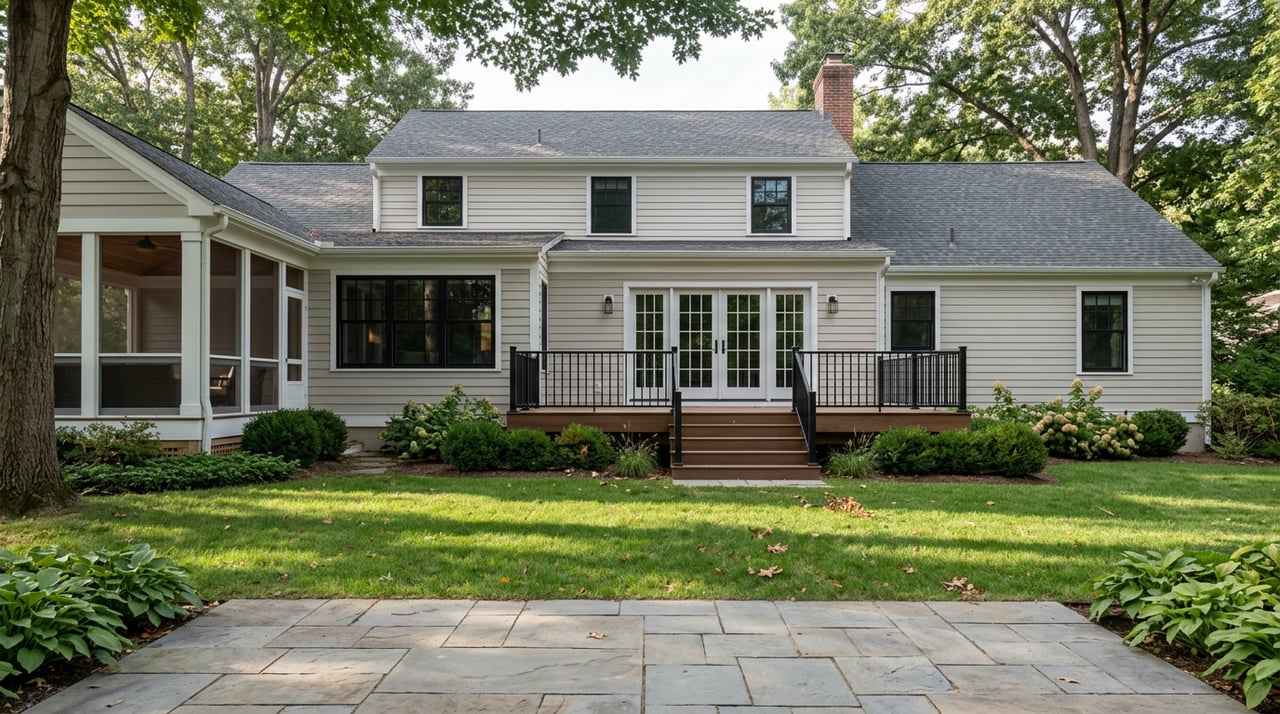
Why Waltham Works for Move-Up Buyers
Outgrowing your city condo but not ready to give up short commutes or a lively dining scene? You are not alone. Many Boston and Cambridge professionals look to Waltham for more space and a balanced price point without losing access to jobs and nightlife. In this guide, you will see how Waltham stacks up on value, commute options, housing types, neighborhoods, lifestyle, schools, and timing so you can decide if it fits your move-up goals. Let’s dive in.
If you want “more house” without a punishing commute, Waltham often hits the sweet spot. As of early 2026, public market trackers put Waltham’s median sale price in the mid-700Ks, with a February 2026 snapshot around $774,000 and a late-2025 index near $791,000. Newton sits materially higher in the same period while Framingham trends lower, which shows how Waltham bridges city-adjacent convenience and attainable space.
Waltham is a mid-sized suburb of about 65,000 residents, large enough to have real neighborhood variety and amenities. You get an active restaurant corridor, riverfront paths, two commuter rail stops, and quick highway access, all within a compact footprint. That mix is why move-up buyers who want to keep daily life efficient tend to put Waltham on their short list. For a quick city snapshot, review the population profile on U.S. Census QuickFacts.
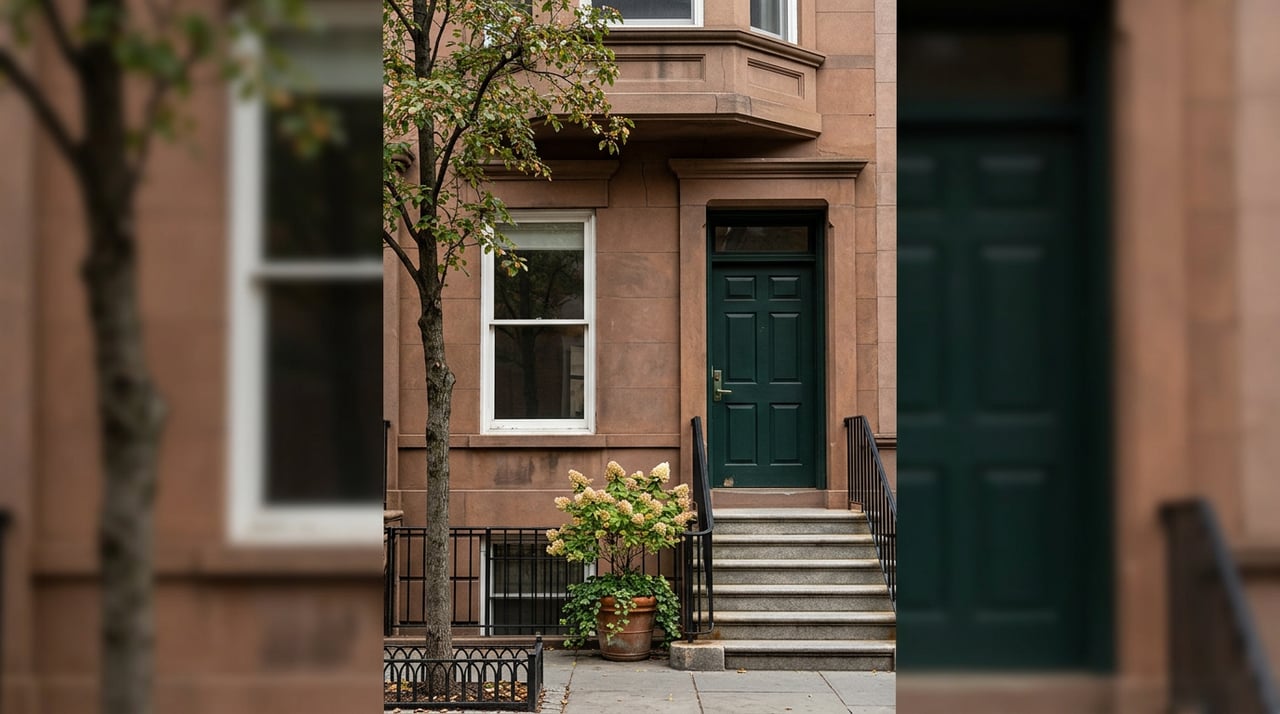
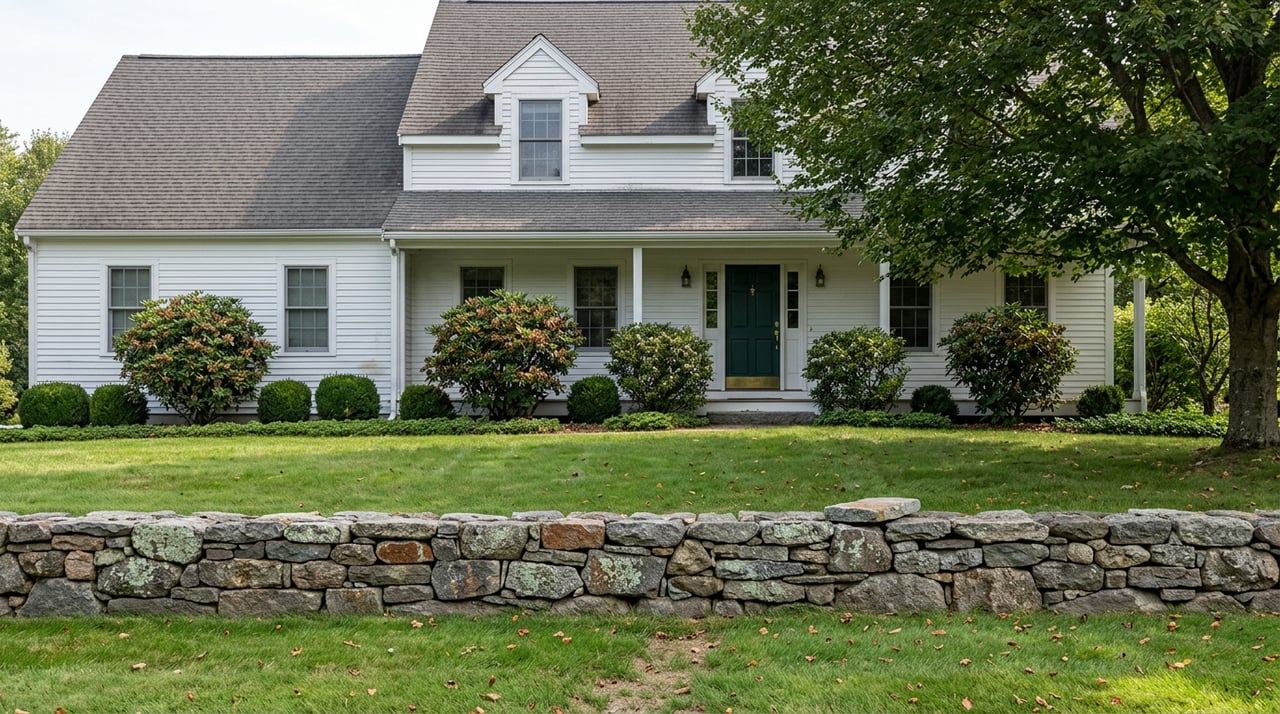
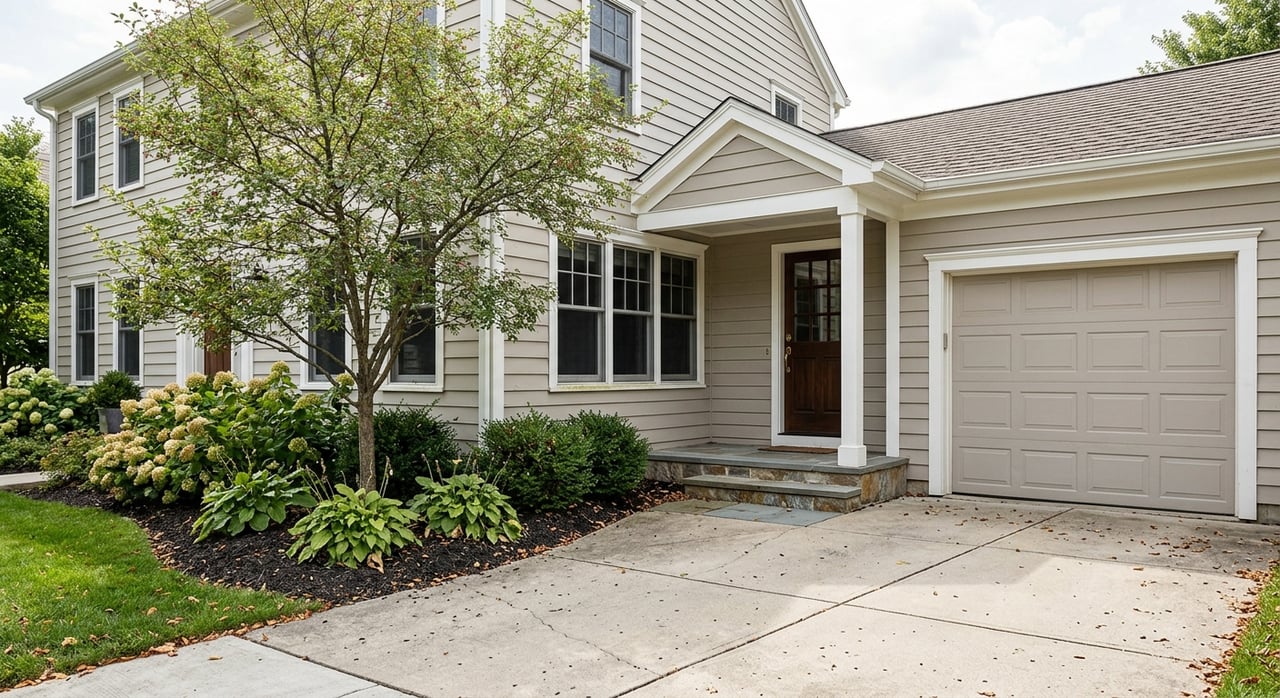
Waltham offers a broad housing mix that works for many upsizing paths. You will see established single-family pockets, especially in areas like Piety Corner and parts of west and south Waltham, alongside townhouses, condo conversions, and loft-style homes closer to downtown and the river.
Typical move-up options include:
Local planning and library summaries point to a meaningful balance between single-family homes and multi-unit buildings, which supports both ownership and rental demand. For a data-oriented overview of local stock and planning context, see the Waltham Public Library’s community report, “Building Tomorrow” (WPL report).
Waltham is served by the MBTA Fitchburg Line at the Waltham and Brandeis/Roberts stations, connecting to North Station. Scheduled on-train time commonly runs about 20 to 30 minutes, with typical door-to-door commutes ranging roughly 25 to 45 minutes depending on how you reach the station. Review the current timetable on this Fitchburg Line schedule mirror for planning purposes (Fitchburg Line schedule). Off-peak and weekend frequencies are lighter, so consider how much you rely on trains outside rush hour.
If you drive, Waltham’s location is a daily time-saver. You are minutes from Route 128/I-95, with straightforward connections to the Mass Pike (I-90) and Route 2. This is one reason many employers cluster near Totten Pond and Winter Street. For a city overview of transportation patterns and access, see the City of Waltham’s Transportation Master Plan materials (TMP overview).
You do not have to give up a city feel when you leave the city. Moody Street is Waltham’s restaurant row, known for a dense mix of eateries, bars, and casual nightlife, all near the commuter rail and the Charles River. For a quick primer on how Moody Street anchors downtown culture, scan the city’s summary on Waltham’s Wikipedia page.
When you want the outdoors, the Charles River bikeway and riverwalk offer miles of scenic paths for walking, jogging, and biking. It is a built-in weekend plan that does not require a long drive. Learn more about local trail access on the Charles River Bikeway guide.
Waltham also layers in history and culture, with estates like Gore Place and community events that give weekends structure without crossing into the city. For a sampler of area attractions and historic sites, explore this curated list of things to do in Waltham.
Two major campuses, Brandeis University and Bentley University, add to the local mix. Their presence supports year-round amenities and helps underpin rental and resale demand in nearby neighborhoods. For campus context, see the Brandeis University overview.
Many move-up families research Waltham Public Schools closely. Local reporting notes strengths and ongoing challenges, particularly at the high school level in state accountability discussions. That makes it important to review current state profiles alongside district information, since programs and outcomes can evolve.
A recent local update summarizes program context and accountability conversations for families beginning their research. You can start with this Waltham Times article on the district’s multilingual approach and school board discussions (Waltham Times schools coverage). As you evaluate homes, consider how school preferences, commute time, and house size balance for your household. Some buyers also weigh private or parochial options, or look at adjacent towns, then compare total costs and commute tradeoffs.
Like many inner-ring suburbs, Waltham can feel competitive for well-priced, move-in-ready single-family homes. Local market briefs show conditions shifting month to month, so it pays to watch the latest numbers and be prepared on financing and timing. For a data point, review the Massachusetts Association of Realtors’ local snapshot for Waltham near year-end 2025 to see how prices and inventory trended at that time (MAR local market update).
If you are trading up from a condo or smaller home, plan your move with three pillars:
Financing readiness. Talk to your lender early about leveraging equity from your sale, rate buydown options, and whether a bridge loan or extended rate lock makes sense.
Offer strategy. In popular price bands, speed and clean terms help. Think through your comfort level with inspection timelines, rent-backs, and closing coordination so you can write with confidence when the right home appears.
Resale lens. Transit access, walkability to Moody Street or the commuter rail, and riverfront proximity often help long-term demand. Factor these into your search to balance lifestyle today and value tomorrow.
If you are ready to trade your city condo for more space, a yard, and a balanced commute, Waltham deserves a close look. From single-family pockets like Piety Corner to walkable Moody Street lofts and townhouses near 128, you can match lifestyle and budget without losing your weeknights. When you want a clear plan for timing, pricing, and winning the right home, connect with a local advisor who knows how Waltham compares to Newton and other nearby suburbs and who can coordinate your sell-to-buy move with confidence. Reach out to Diane Basemera to map your options and start your search with a strategy you can trust.
Stay up to date on the latest real estate trends.
What does this mean for you? I will sit and listen to your needs and yet be mindful of your wants and dreams. Contact me Today!