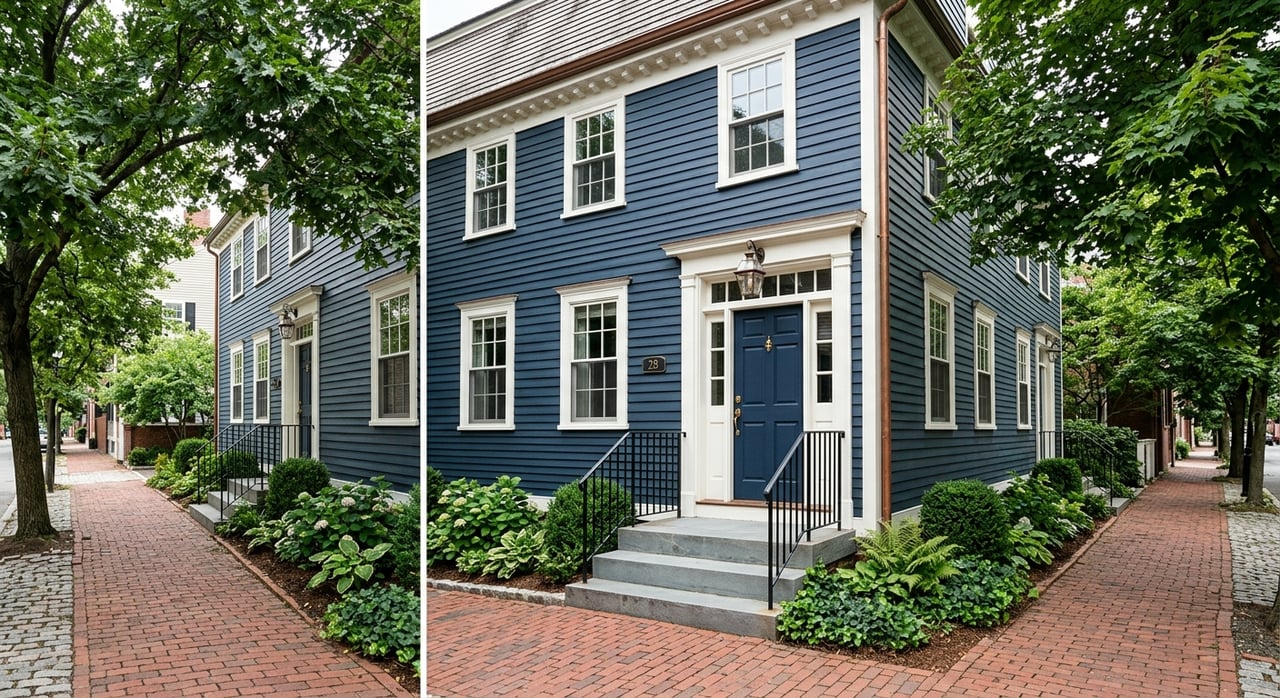
Cambridge MA Car-Free Living: How to Find the Right Home
If you’re thinking about living in Cambridge without a car, you’re not aiming for a compromise. In many parts of the city, it can be a practical, convenient way to live every day. Whether you’re renting, buying, or relocating from a more car-dependent area, knowing where to focus your search can help you find a home that fits your routine from day one. Let’s dive in.
Cambridge is built in a way that supports life on foot, by bike, and on transit. According to the City of Cambridge transportation overview, the city is flat and compact, with pedestrian-friendly intersections, bike lanes, traffic calming, and broad transit access.
That physical layout matters in daily life. The city reports that about 30% of households do not own cars, and Cambridge residents are among the least car-dependent commuters in the country. You also have access to 27 MBTA bus routes, six rapid-transit stations, and a commuter rail station, which gives many households real flexibility without owning a vehicle.
Cambridge’s street network adds to that ease. The city says sidewalks line virtually all streets, blocks are short, crossings are frequent, and signal timing favors pedestrians. For bike users, the city also points to a growing network of bike lanes, separated bike facilities, and plentiful bicycle parking.
When you search for a car-free home in Cambridge, it helps to think about daily access before neighborhood identity. The city’s mobility framework uses practical thresholds such as being within a half-mile of rapid transit or a high-frequency bus stop, within one-eighth mile of a Bluebikes dock, and close to a comfortable bike facility and safe pedestrian crossing.
That approach can keep your search grounded in how you actually live. If you expect to walk to groceries, hop on the T, bike to work, or reach a park without much planning, those distance benchmarks are often more useful than broad neighborhood reputation.
In simple terms, homes near squares, T stops, and strong bus corridors tend to be the safest bets. If your goal is a true car-free routine, location inside the city matters, but micro-location often matters more.
East Cambridge is one of the strongest fits if you want easy access to transit and daily services. The city describes Lechmere Square and Kendall Square as major commercial and transit centers, with Cambridge Street serving as a retail corridor and the riverfront including apartments, condos, hotels, and the CambridgeSide area.
This area can work especially well if you prefer newer apartment or condo housing stock. If you want to get around quickly without relying on a car, East Cambridge offers one of the clearest combinations of housing, transit, and errands in close reach.
Cambridgeport and The Port are strong options if you want a dense, connected setting. Cambridgeport is centered around Central Square, with Red Line and bus access, while The Port is also tied closely to Central Square and has smaller commercial strips along Main, Prospect, and Hampshire.
For many households, this setup makes everyday movement simpler. You can focus on homes that keep you close to transit, services, and restaurants while still giving you a residential base between trips.
If you want central access with a somewhat more residential feel, Mid-Cambridge, Baldwin, and Riverside deserve a close look. Mid-Cambridge sits between Central, Harvard, and Inman Squares, while Baldwin connects well to Harvard Square and Porter Square.
Riverside also benefits from proximity to Harvard Square and Central Square, with retail along Massachusetts Avenue. These areas can be appealing if you want strong access to multiple destinations instead of relying on a single transit hub.
North Cambridge and nearby areas can also support a strong car-free routine. The city notes that North Cambridge has Porter Square at one corner, with Red Line, commuter rail, and bus service, plus Alewife at the western end.
Neighborhood Nine also connects to Harvard and Porter Squares and includes Massachusetts Avenue retail, Fresh Pond Shopping Center, and Danehy Park. If you want broad access to transit, shopping, and open space, these areas offer a balanced mix.
West Cambridge and Strawberry Hill can still work, but usually better as car-light rather than fully car-free choices. The city notes that West Cambridge centers on Harvard Square for transit, while Strawberry Hill is mostly residential and served by four MBTA bus routes, with Fresh Pond Reservation nearby.
That means your routine may depend more on bus service, biking, or longer walks than on quick rail access. If you’re comfortable planning around that, these areas may still be a fit.
Not every Cambridge home supports the same lifestyle, even within the same neighborhood. A practical search starts by asking how you move through a normal week.
Think about questions like these:
The answers can shape your home search in a big way. A condo near Porter or Kendall may feel very different from a home in a quieter section of West Cambridge, even if both are in Cambridge.
Cambridge’s housing stock tends to align well with a car-free lifestyle. The city’s demographic FAQ says 66.5% of occupied housing units are renter-occupied, 33.5% are owner-occupied, and only 6.4% of dwellings are single-family homes.
That makes one trend clear. If you’re looking for a home that naturally fits a transit-oriented routine, apartments and condos will usually give you the most options, especially near major squares and stations.
The same source also notes that 34.1% of dwellings are in buildings with more than 100 units. For buyers and renters coming from more suburban housing markets, that can be an important reset in expectations.
Even if you plan to live without a car, parking can still matter. You may want occasional guest parking, a backup option, or flexibility if your lifestyle changes later.
That’s why it helps to ask direct questions early. Cambridge reports that it removed off-street parking minimum requirements in October 2022, which means some newer buildings near transit may have limited parking or none at all, according to the city’s zoning and housing update.
For some buyers and renters, that is a plus. For others, it is simply a detail you want to confirm before signing a lease or making an offer.
One reason car-free living works in Cambridge is the concentration of commercial districts. The city’s commercial districts map and data highlights Alewife, Central Square, East Cambridge, Harvard Square, Huron Village/Observatory Hill, Inman Square, Kendall Square, Lower Massachusetts Avenue, and Porter Square/North Massachusetts Avenue.
The city also identifies Central, Harvard, Inman, Kendall, and Porter as the five major squares. For you, that means many errands, meals, and service stops can happen in mixed-use nodes instead of requiring a car trip across town.
If you want a smoother day-to-day routine, focus on homes that put one of those districts within easy reach. That single choice can shape how easy the city feels once you move in.
Food shopping is one of the first things people think about when considering a car-free move. In Cambridge, local access can make a big difference.
The city hosts farmers markets in Central Square and Kendall Square, plus a year-round market at Charles Hotel. These can complement neighborhood grocery options and help keep some of your weekly shopping close to transit and walkable areas.
If you like to shop more often in smaller trips, that setup may feel more natural than the large, car-based grocery runs common in suburban areas. It also reinforces why location near a square can matter so much.
Car-free living works better when recreation is close by. Cambridge says it has more than 80 parks and open spaces, and that all residences are within a half-mile or less of open space.
Fresh Pond Reservation on the western edge of the city covers 162 acres and includes trails, a ranger station, and programming. Danehy Park in North Cambridge spans 50 acres and includes walking paths, athletic fields, playgrounds, public art, a dog park, and community events.
The city also highlights major multiuse paths such as the Paul Dudley White Bike Path along the Charles River and Linear Park in North Cambridge on its pedestrian planning page. If you want daily movement built into your routine, these features add real value.
A successful car-free routine usually includes a backup plan. Cambridge points to Bluebikes as a major travel option and aims to keep stations just a few blocks or less from where people live, work, shop, or play.
The city also lists neighborhood shuttle options on its transit page, including EZRide, the Alewife Loop, and the Longwood Collective M2 shuttle. Depending on where you live and work, these can make your commute or occasional trip easier.
The goal is not perfection. It is choosing a home where transit, biking, walking, and backup options work together well enough that owning a car feels unnecessary.
If you are serious about car-free living in Cambridge, keep your housing search practical and specific.
Use this checklist as you compare options:
A car-free home is not just about the address. It is about how easily that address supports your real schedule.
If you’re weighing a move to Cambridge or comparing it with nearby communities, working with a local advisor can help you narrow in on homes that truly fit your lifestyle goals. To talk through your options with a thoughtful, strategic approach, connect with Diane Basemera.
Stay up to date on the latest real estate trends.
What does this mean for you? I will sit and listen to your needs and yet be mindful of your wants and dreams. Contact me Today!