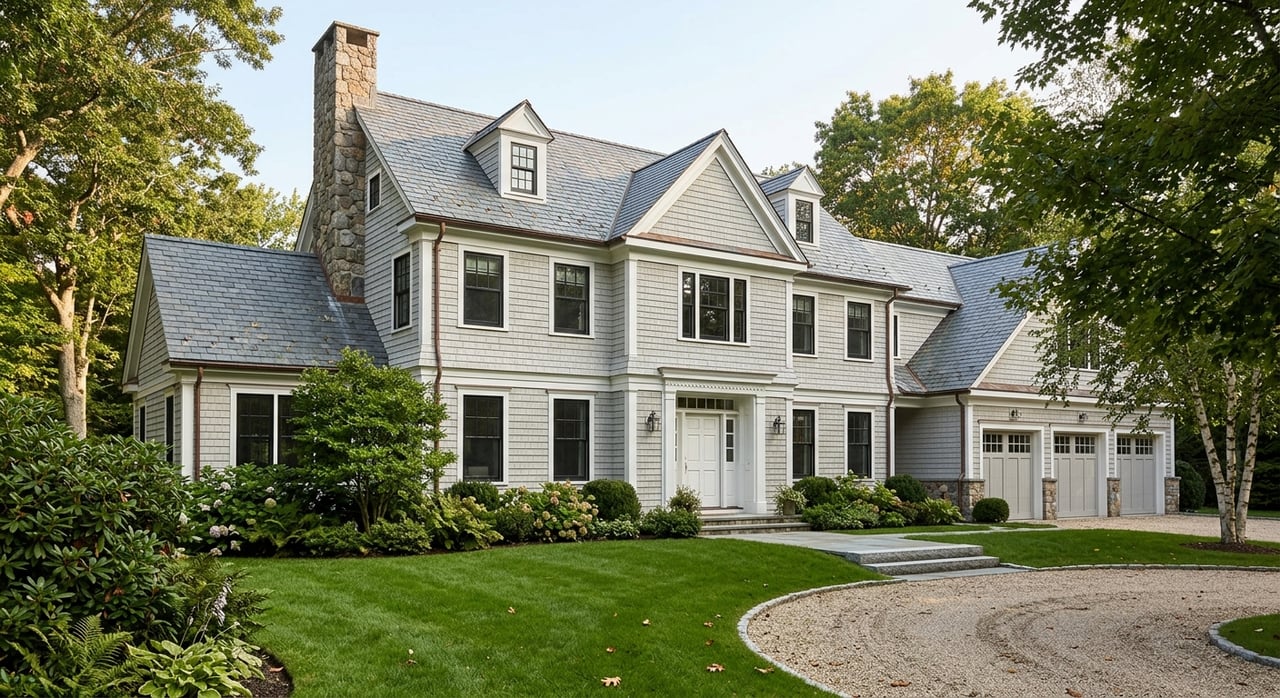
What To Know Before Buying A Luxury Home In Weston
Wondering if buying a luxury home in Weston is mostly about finishes, square footage, and a prestigious address? In reality, Weston asks you to look deeper. If you are considering this market, you need to understand how land, infrastructure, zoning, and carrying costs shape the ownership experience just as much as the home itself. This guide will help you focus on the details that matter before you make an offer. Let’s dive in.
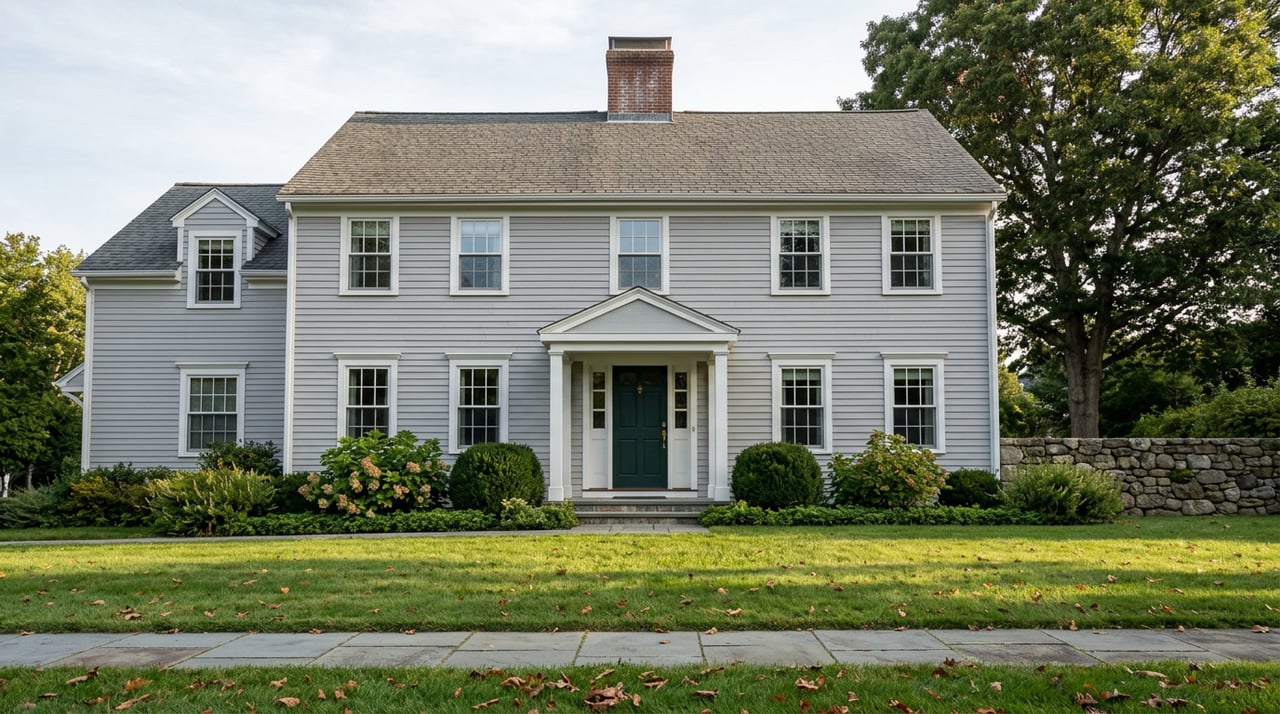
Weston stands out as an estate-oriented suburb with a quiet, country-like character on the edge of metropolitan Boston. According to the Town of Weston, about 89% of housing units are single-family homes, about 86.5% are owner-occupied, and most new housing since 2000 has also been single-family.
That matters because Weston’s luxury market is not defined only by updated kitchens or resort-style amenities. It is often defined by lot size, privacy, and distance between homes. If you are shopping here, you are often paying for land, separation, and a semi-rural setting as much as the house itself.
Before you fall in love with a property, look closely at the lot. Weston’s zoning requirements include minimum lot sizes ranging from 20,000 to 60,000 square feet, plus significant frontage and setback rules.
For you as a buyer, that affects more than resale value. It can shape what you may be able to do later with additions, guest space, outdoor features, or a rebuild. In Weston, the land is a major part of the asset, so understanding zoning early can save time, money, and frustration.
If you are buying with renovation plans in mind, it is smart to check those ideas against the lot and existing home footprint right away. A property that looks perfect today may come with limits that affect expansion plans.
This is especially important in a town where larger homes and larger lots are common. In a luxury purchase, flexibility can be just as valuable as finishes.
Weston is a high-end market with limited supply, but you should be careful about which number you use to judge value. Zillow’s Weston home value data places the average home value at $2,182,055, up 5.7% year over year.
At the same time, the research report notes that Realtor.com showed a median home sale price of $4.25 million, with 36 homes for sale and homes selling 5.26% below asking on average in February 2026. These figures measure different things, so they are not interchangeable.
When you evaluate a listing, make sure you know whether you are looking at a typical home value, a list price trend, or closed-sale data. In Weston, those distinctions matter because the housing stock is not uniform.
A well-positioned luxury buyer should look beyond headline pricing and compare each property based on land, condition, location within town, and ownership costs. That gives you a much clearer picture of value.
One of the biggest surprises for buyers coming from other luxury suburbs is that every property in Weston is served by a private septic system. The town’s Building Department guidance says routine septic maintenance is essential and that tanks should generally be pumped and inspected every three to five years.
In practical terms, this means your pre-offer review should include the septic system’s age, size, maintenance history, and recent inspection information. A failing or outdated system can be expensive to address, so this is not a detail to treat lightly.
Before you buy, ask for:
In Weston, this is part of buying smart, not being overly cautious.
Many luxury homes in Weston are not new construction. The town’s Housing Production Plan says nearly three-quarters of occupied units were built before 1980.
Older homes can offer character, mature landscaping, and prime settings, but they can also come with more moving parts. Roof condition, drainage, HVAC systems, insulation, and overall code compliance deserve careful attention.
The same housing plan notes that pre-1978 homes may carry lead-paint risk. It also points out that older structures may have lower energy efficiency.
That does not mean an older home is a poor choice. It simply means your inspection strategy should match the age and complexity of the property.
Weston’s water comes from the MWRA, and the town’s water service line inventory states there are no known lead water services in town records. Still, the town notes that lead can enter through household plumbing or fixtures.
For you, that means it is still worth asking about older pipes, fixtures, and any replacement work that has been done. In a luxury purchase, understanding the property’s plumbing history is part of complete due diligence.
If you are buying a luxury home with plans to renovate, expand, or rebuild, Weston’s permitting process deserves your attention early. According to the Building Department, new construction and additions may require coordination across departments.
Additional review may apply if the property is near wetlands or within the Cambridge Water Supply Zone. Homes built before 1945 that appear in historic inventories or historic areas may also be reviewed by the Historical Commission for exterior work, remodeling, or demolition.
The Planning Board may require site plan approval for homes above certain size thresholds, including houses over 3,500 square feet that cover more than 10% of the lot area, or houses over 6,000 square feet regardless of lot size.
If your luxury strategy includes major changes, confirm what approvals may be required before you close. It is much easier to buy with eyes open than to discover limits after the fact.
Weston’s scenic-road bylaw is another detail many buyers do not expect. The town says that work involving the removal of significant trees or stone walls along designated scenic roads requires prior written approval.
That may affect driveway work, paving, frontage improvements, or changes near the road. If a property sits on one of these roads, make sure you understand how that rule could shape future plans.
Road ownership is another important Weston issue. The town’s roadway materials state that Weston has 87 miles of public accepted roads and 21 miles of private roads, and town planning materials say residents along private roads are responsible for maintenance and upgrades.
If the property is on a private road, you should ask how plowing, drainage, and resurfacing are handled. You should also find out whether there is a formal shared agreement or if costs are handled more informally.
These details can affect both your annual costs and your day-to-day experience.
Luxury buyers often focus on purchase price first, but in Weston, annual carrying costs deserve equal attention. The town’s Assessors Office lists the FY2026 property tax rate at $10.88 per $1,000 of valuation.
Using the figures in the research report, that suggests about $23,741 annually on a home valued at Zillow’s current typical value and about $46,240 annually on a $4.25 million home. Weston also revalues properties annually to full fair market value, so a lower rate does not automatically mean a lower tax bill.
Weston’s appeal goes beyond housing stock. The town manages about 1,800 acres of conservation land, and planning materials describe roughly 2,000 acres of protected land for passive recreation.
If you value trails, open space, ponds, streams, farms, forests, and a greener everyday setting, Weston delivers a distinctive lifestyle. For many buyers, that setting is a core reason to choose the town.
Transportation is strong by suburban standards, but it is still a car-oriented place. Weston’s transportation page lists Route 30, Route 117, I-95/128, Route 20, and the Mass Pike as key connections, and notes commuter rail access from Hastings and Kendal Green, but no bus service in town.
If you are deciding among Weston, Wellesley, Needham, and Newton, price is only part of the comparison. Based on Zillow’s Home Value Index, Weston’s average home value is higher than Wellesley, Needham, and Newton.
But the bigger difference is the type of luxury experience you are buying. Weston offers a more land-focused and privacy-oriented product, while nearby suburbs generally offer more housing variety.
For many buyers, the question is simple: do you want more land and a semi-rural feel, and are you comfortable with septic systems, private-road exposure, permit review, and higher carrying costs? If yes, Weston may be a strong fit.
Before you make an offer in Weston, focus on these key checkpoints:
Buying a luxury home in Weston can be incredibly rewarding when the property aligns with how you want to live. The key is making sure the beauty of the setting is matched by a clear understanding of the ownership details.
If you are weighing Weston against other high-end suburbs or want a clear, strategic review of a specific property, Diane Basemera can help you evaluate the opportunity with the local context and careful guidance a luxury purchase deserves.
Stay up to date on the latest real estate trends.
What does this mean for you? I will sit and listen to your needs and yet be mindful of your wants and dreams. Contact me Today!