Eyeing a Brookline home and wondering what those turrets, shingles, or stacked porches mean for your lifestyle and budget? You are not alone. Brookline’s mix of historic houses, brick rowhomes, and multi-family buildings offers character and convenience, but each style comes with different layouts, maintenance needs, and permit rules. In this guide, you will learn how to spot the major styles and what to consider before you buy, from systems and red flags to renovation timelines and incentives. Let’s dive in.
Why Brookline homes look the way they do
Brookline grew along early trolley lines, which shaped a dense, walkable housing pattern with many late-19th and early-20th century homes. That history also explains why so many properties have protected architectural features and why exterior changes may require review. If you are planning visible exterior work, start with the Brookline Preservation Commission to understand district guidelines and approvals.
Brookline also uses a demolition review process that can delay certain projects while alternatives are explored. If your plans involve partial or full demolition, review the town’s demolition and delay rules early. To see whether a property sits in a local historic district, consult the town’s Historic Districts Map.
Spot the major styles
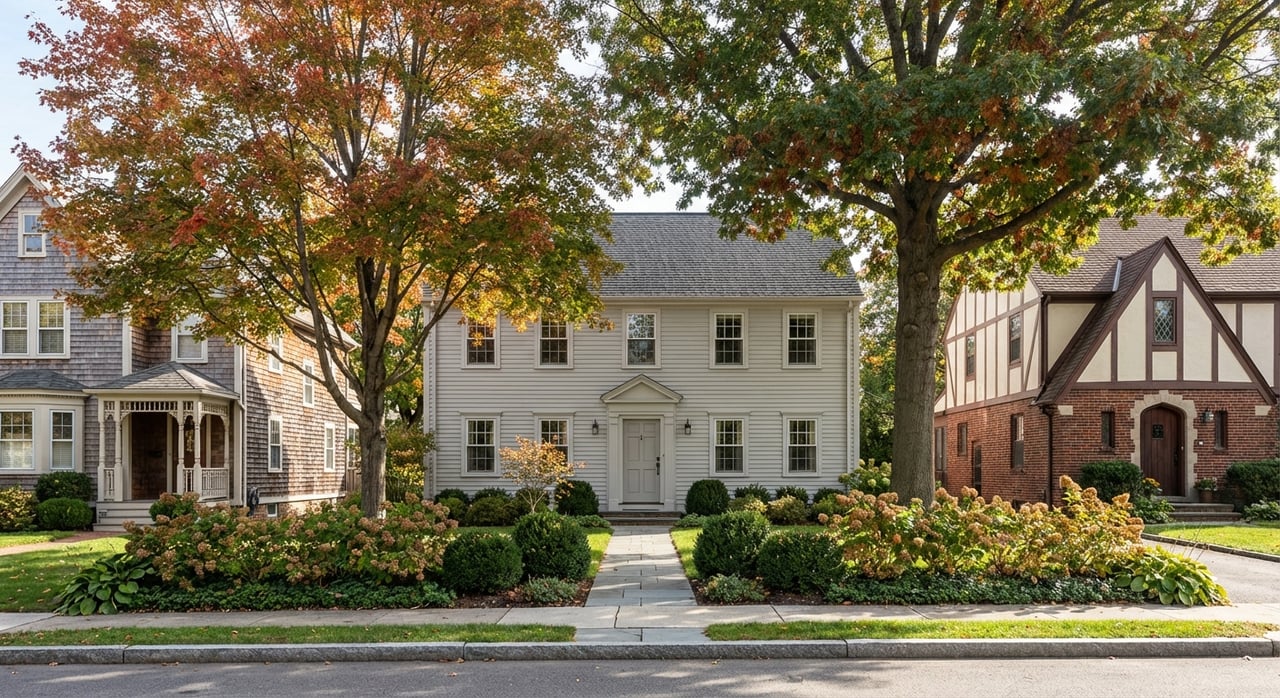
Victorian and Queen Anne
- Visual cues: Asymmetrical façades, bay windows, turrets, patterned shingles, and ornate trim. For a style overview, see the National Park Service on Queen Anne architecture.
- Layout: Tall ceilings, separate parlors and dining rooms, narrow halls, and small service kitchens. Often 2 to 3 stories plus attic and basement.
- Maintenance: Original plaster, intricate woodwork, and wood shingles or clapboard that need periodic paint or repair. Historic windows are often repairable. The NPS Preservation Briefs explain why repair can be efficient and district friendly.
- Renovation potential: Strong for adding bathrooms or finishing attics and basements. Full open-plan conversions can be complex due to load-bearing walls and stair placement. Exterior changes in districts may require prior approval.
Tudor Revival and English-cottage
- Visual cues: Steep cross gables, decorative half-timbering, stucco or masonry walls, and tall chimneys.
- Layout: Cozy, compartmentalized rooms with lower ceilings in gabled areas. Masonry walls provide thermal mass but chimneys and mortar may need attention.
- Renovation potential: Interior updates are usually straightforward. Roof pitches and masonry details can increase repair and exterior alteration costs.
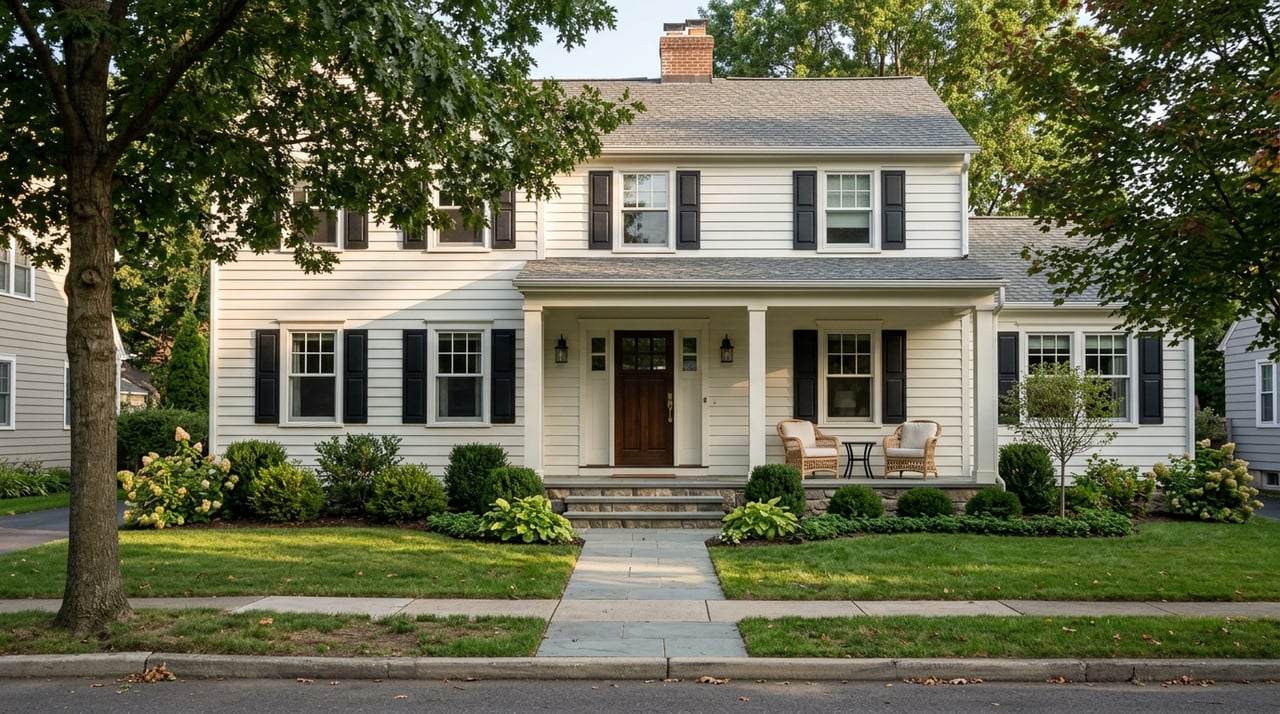
Colonial Revival, Georgian, and Beaux-Arts
- Visual cues: Symmetrical façades, classical entry surrounds, dormers, and brick or clapboard exteriors.
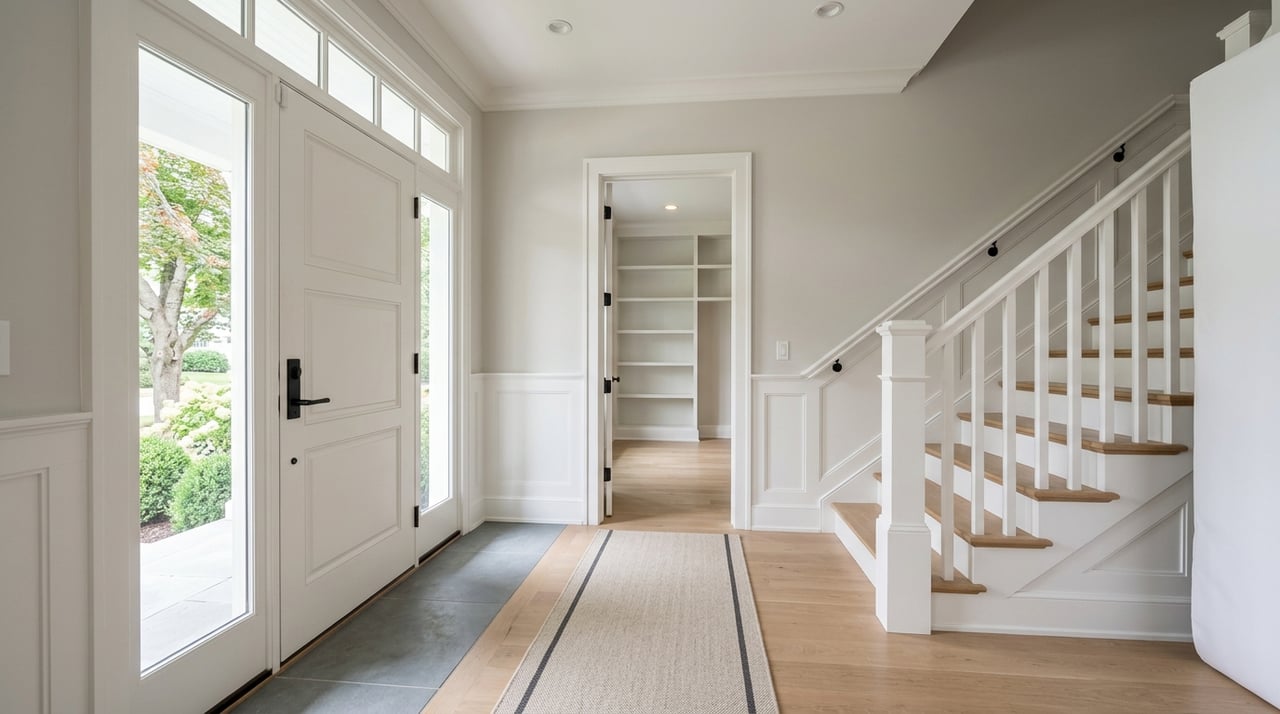
- Layout: Center-hall plans with defined living and dining rooms. Reconfiguring kitchens is often feasible with smart structural planning.
- Maintenance: Masonry exteriors reduce painting but require correct repointing and periodic stone or brick care.
Shingle Style
- Visual cues: Rambling forms with continuous wood-shingle cladding, broad porches, and complex, low-slung rooflines.
- Maintenance: Wood shingles require staining or repainting over time. Complex roofs can raise replacement costs.
American Foursquare, Craftsman, and Bungalow
- Visual cues: Boxy massing with broad front porches for Foursquares; Craftsman details include exposed rafter tails and built-ins.
- Maintenance and value: Often simpler rooflines and durable interior trim, which are good candidates for preservation.
Mid-century and split-level
- Visual cues: Lower profiles, larger windows, simpler lines, and more open living areas.
- Pros and watchouts: Easier to adapt to today’s open plans, but watch for period materials and lower ceiling heights.
Triple-deckers and other multi-family wood frames
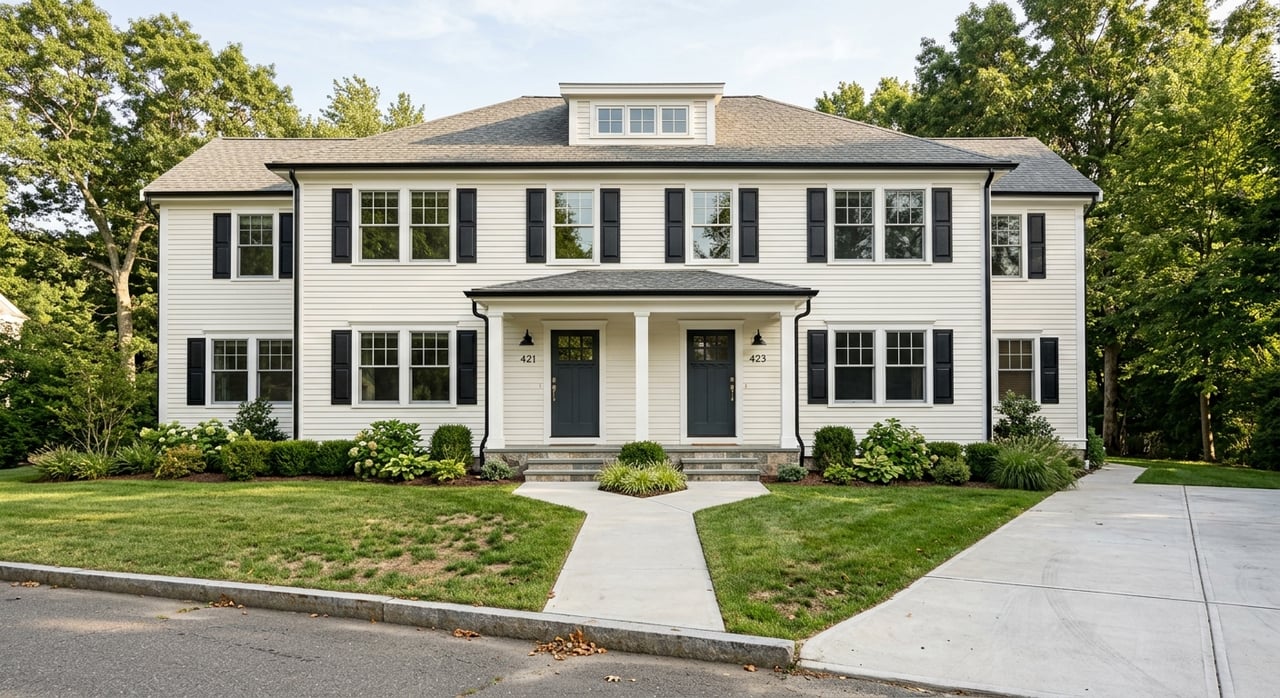
- Visual cues: Three stacked flats, often with stacked porches and bay windows, a classic Greater Boston type. For a useful primer on the building form and its role, see this overview of three-deckers.
- Buyer implications: Many are now condos or multi-unit investments. Pay close attention to egress, fire separation, shared systems, and porch maintenance.
Brownstones, brick rowhouses, and prewar masonry blocks
- Visual cues: Brick or brownstone façades, often along major corridors near transit. Many are now condominiums.
- Maintenance: Façade repointing and cornice repair can be costly but extend building life when done correctly.
What this means for your budget and plans
Layout and livability
- Older homes often have formal, compartmentalized rooms. If you want an open kitchen and living area, budget for structural changes and potential relocation of mechanicals.
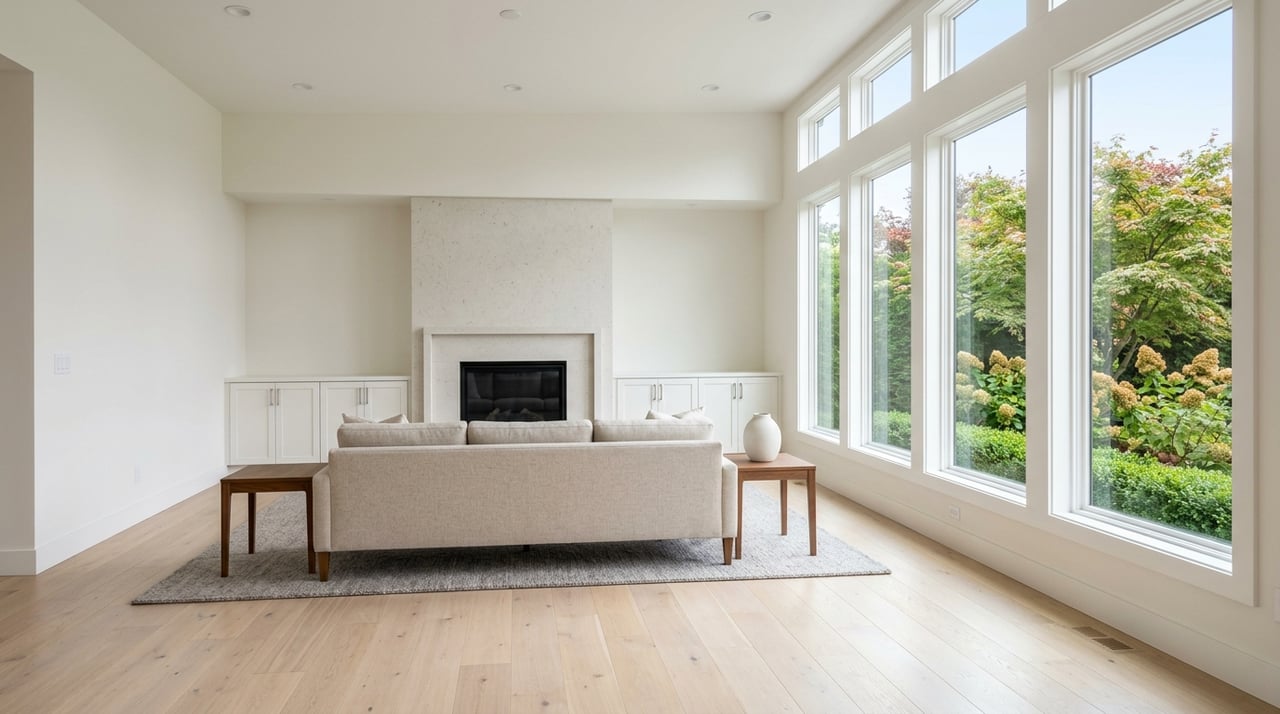
- Mid-century homes and some renovated properties already offer more open flow, which can reduce renovation scope.
- In multi-family homes, confirm sound separation, ventilation, and egress before planning layout changes.
Systems and red flags
- Electrical: Some older homes still have knob-and-tube wiring, which can impact insurance and require a full rewire. Learn why insurers scrutinize old wiring from this old-home insurance guide.
- Heating: Many homes first used oil or coal and later converted to gas. Ask about age and fuel type, and whether heat is hydronic radiators or forced air. If you plan to electrify, Mass Save heat pump incentives can reduce net costs when using participating contractors.
- Plumbing and foundations: Expect cast-iron drains in older homes. Inspect stone or brick foundations carefully for moisture if you plan to finish a basement. Local code requires proper emergency egress for basement bedrooms.
- Hazardous materials: Pre-1978 paint may contain lead. The EPA’s Renovation, Repair and Painting guidance outlines lead-safe work rules that add time and cost. Older homes may also have asbestos in certain materials. In Massachusetts, asbestos handling is regulated and typically requires licensed professionals.
Exterior envelope and long-term costs
- Siding and trim: Wood clapboards and shingles need periodic repainting or staining. Porches and decorative trim require skilled carpentry.
- Masonry: Brick and stone eliminate painting but need correct mortar repointing. Hard, modern mortars used on soft historic brick can cause damage over time.
- Roofs: Slate and tile found on higher-end Victorians and Tudors can last for decades but cost more to repair or replace. Complex historic rooflines add labor.
- Windows: Historic wood windows are often repairable. The NPS Preservation Briefs explain methods like weatherstripping and interior storms that improve efficiency without changing the exterior character.
Permitting and preservation basics in Brookline
If your home is in a local historic district or on a historic register, exterior changes that are visible from a public way often need prior review. Start with the Brookline Preservation Commission to confirm whether your project needs a hearing and to understand timing.
Before planning a major renovation or any removal of exterior elements, check whether demolition rules apply. The town’s demolition delay process can add time while alternatives are evaluated. To see if your property is in a district, use the Historic Districts Map.
Standard building, electrical, plumbing, gas, and demolition permits will apply to most work. Zoning rules govern additions and accessory structures. Review Brookline’s zoning by-law on ecode360 to understand setbacks, lot coverage, and floor area limits before you draw plans.
Energy and comfort upgrades that pencil
Older homes can be efficient and comfortable with the right plan. If you are considering electrification or weatherization, explore Mass Save heat pump incentives and whole-home programs early. Many rebates require pre-approval and participating contractors. For any renovation that disturbs pre-1978 paint, follow the EPA’s RRP rules and budget for certified crews. In Massachusetts, asbestos work is regulated and typically requires licensed abatement and prior notification.
Brookline vs. nearby suburbs: what to weigh
- Lot size and yard: Brookline lots are often more compact than many outer suburbs, which can reduce yard maintenance and place you closer to transit and shops.
- Home age and construction: Brookline’s core inventory is older, with more Victorian and early-20th-century styles. Nearby suburbs may have more mid-century or post-war homes, which can change your renovation scope and energy upgrade path.
- Design review: Brookline has multiple local historic districts with active preservation review. Plan extra time for exterior approvals compared with many suburbs, and balance that against the convenience of transit and services.
Buyer due-diligence checklist for Brookline homes
Use this quick list to organize your walkthroughs and offer prep:
- Confirm year built, permit history, and whether the property sits in a local or national/state historic district. Start with the Preservation Commission and the Historic Districts Map.
- Document exterior materials and roof type. Ask for dates of last roof and paint cycles, and whether slate or tile repairs were done by specialists.
- Check window type and condition. If original, ask about past restoration or approvals. Consider NPS-backed repair strategies before full replacement.
- Verify heating fuel, system age, and distribution (radiators or forced air). Note any oil tanks. Ask whether owners used Mass Save heat pump incentives.
- Inspect the electrical panel and ask directly about knob-and-tube. This can affect your insurance, as outlined by insure.com’s old-home guidance.
- Ask for any lead paint disclosures and asbestos surveys if major work is planned. Plan for EPA RRP compliance on pre-1978 paint.
- Evaluate basement moisture and ceiling heights. If you plan bedrooms, confirm code-compliant egress with your contractor and the building department.
- If multi-unit, review egress, fire separation, mechanical separation, and condo association records for reserves and major projects. For context on the building type, see this three-decker overview.
- If altering exterior elements or removing significant portions of the building, confirm whether the demolition delay rules apply and factor in timing.
- For additions, porches, garages, or ADUs, review setbacks, lot coverage, and floor area limits in the zoning by-law on ecode360 before design work begins.
Ready to find your fit in Brookline?
You deserve a home that matches your lifestyle and a plan that respects Brookline’s architecture, timelines, and budget realities. From strategy on historic properties to investor-savvy analysis of multi-family options, you will get concierge-level guidance and clear next steps. If you want a local advisor to help you evaluate styles, scope renovations, and negotiate with confidence, reach out to Diane Basemera to start the conversation.
FAQs
What Brookline home styles should buyers expect and why it matters
- You will see Victorian, Tudor, Colonial Revival, Shingle Style, mid-century, triple-deckers, and brick rowhouses; each has distinct layouts, maintenance costs, and permit implications.
How do Brookline historic districts affect exterior renovations
- If your home is in a district, visible exterior changes typically require review by the Preservation Commission, which adds design guidelines and timelines to plan for.
What should I know about old wiring in Brookline homes and insurance
- Active knob-and-tube wiring may limit standard insurance options and can require full rewiring; ask an electrician to assess service capacity and panel type early.
Are Brookline triple-deckers good for owner-occupants or investors
- They can work well for both, but you must confirm egress, fire separation, mechanical separation, shared maintenance, and any condo association reserves or project history.
What incentives help convert an older Brookline home to heat pumps
- Mass Save offers rebates for air-source heat pumps and whole-home packages; pre-approval and participating contractors are often required, so plan timing early.
Do I need permits for additions or basement finishing in Brookline
- Yes. Standard building, electrical, and plumbing permits apply, basement bedrooms need code egress, and local zoning rules determine where and how large additions can be.