Needham vs Newton Comparison: Find Your Ideal Suburb
Torn between Needham and Newton? You’re not alone. If you want a reasonable commute, a friendly village center, and the right mix of architecture and yard space, these two suburbs check many of the same boxes in different ways. In this guide, you’ll compare commute options, village life, housing styles, and lot profiles, then match scenarios to your lifestyle with a quick touring checklist. Let’s dive in.
Newton is served by the MBTA Green Line D Branch, which offers frequent service into Boston with easy transfers downtown and toward Cambridge. You can review system maps and schedules on the MBTA website. The Green Line is walkable from several Newton villages, and local bus routes add coverage. It can be slower than commuter rail for longer trips, so test your ride at rush hour.
Needham riders use the MBTA Needham Line for direct service to South Station. You’ll find schedules and station details on the MBTA website. Trains are often faster for some downtown Boston commutes, but service is less frequent than the Green Line. Some stations have parking, though rules and availability vary, so plan to test parking or walking routes.
Newton sits close to Route 9 and the Mass Pike, with several villages near major corridors. Off‑peak drives to Boston and Cambridge can be convenient, with more variability during rush hour. Needham offers immediate access to Route 128/I‑95 and nearby Route 9 and Route 1, which is helpful for suburban job centers west and southwest of Boston. In both towns, drive the exact route you expect to take during your peak commute times.
Many Newton villages offer walkable paths to Green Line stations, though parking can be limited. Needham’s commuter rail stations provide lots at some locations, with details that can change by station. For either town, consider biking, pick‑up and drop‑off logistics, and where you would store a commuter bike or stroller. Always test the door‑to‑door time from a specific address.
Newton is organized into distinct villages like Newton Centre, Newton Highlands, Waban, Newtonville, West Newton, Nonantum, and Upper and Lower Falls. These centers sit close together and feel like a chain of small, lively nodes. For maps and planning context, explore the City of Newton site. You’ll find a range of restaurants and boutiques across villages, with Chestnut Hill offering higher‑end shopping.
Needham’s main centers are Needham Center, Needham Heights, and Needham Junction. They provide a solid mix of dining and services in a more suburban scale. Many neighborhoods are car‑oriented, though Needham Center and parts of Needham Heights are pedestrian friendly. For local planning resources, visit the Town of Needham site.
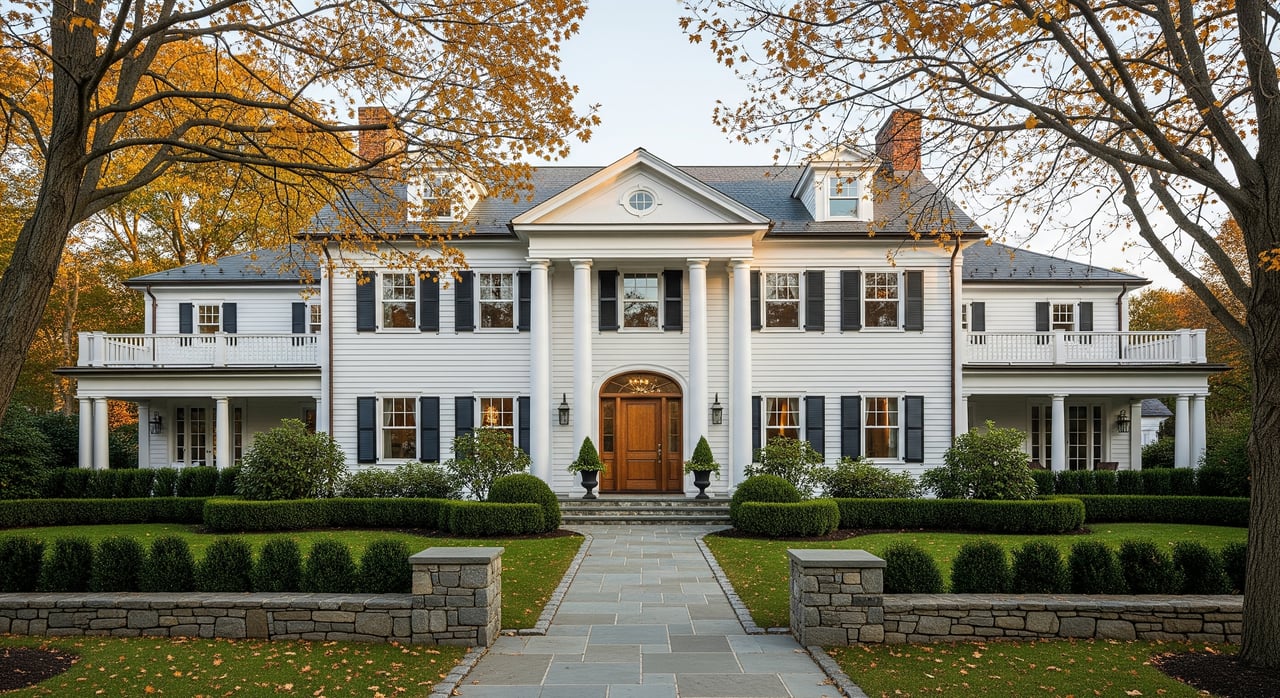
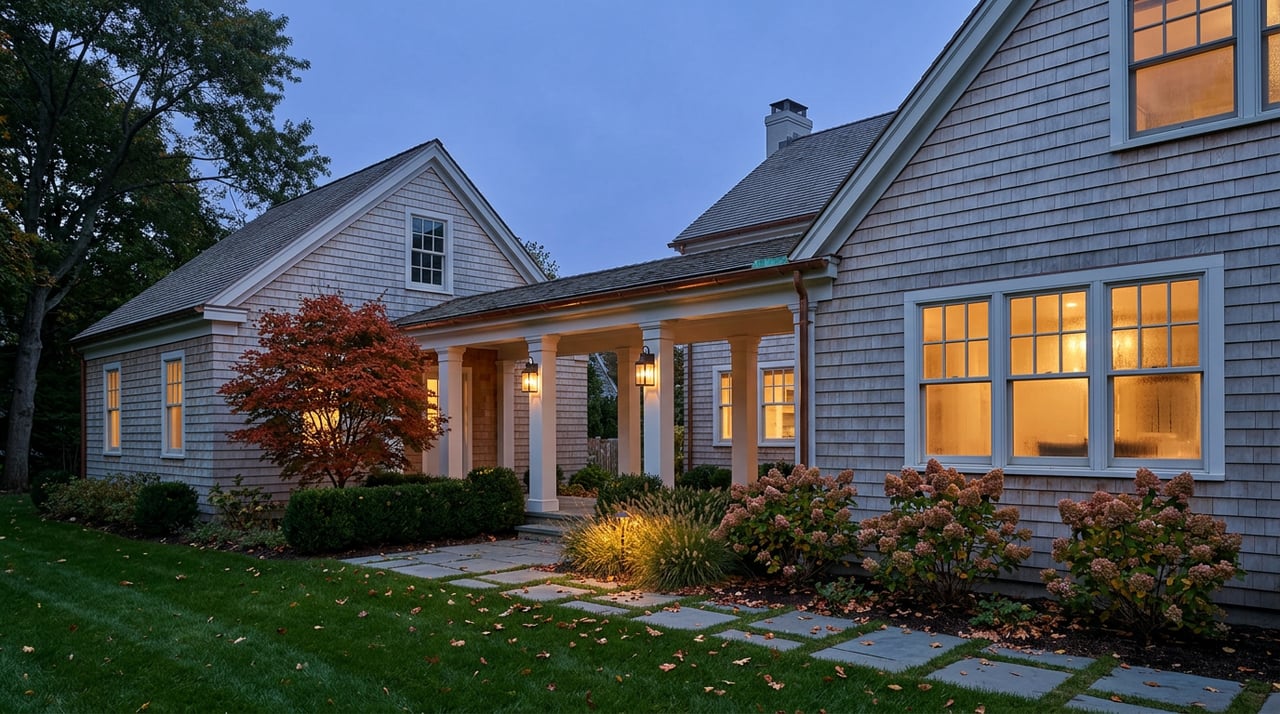
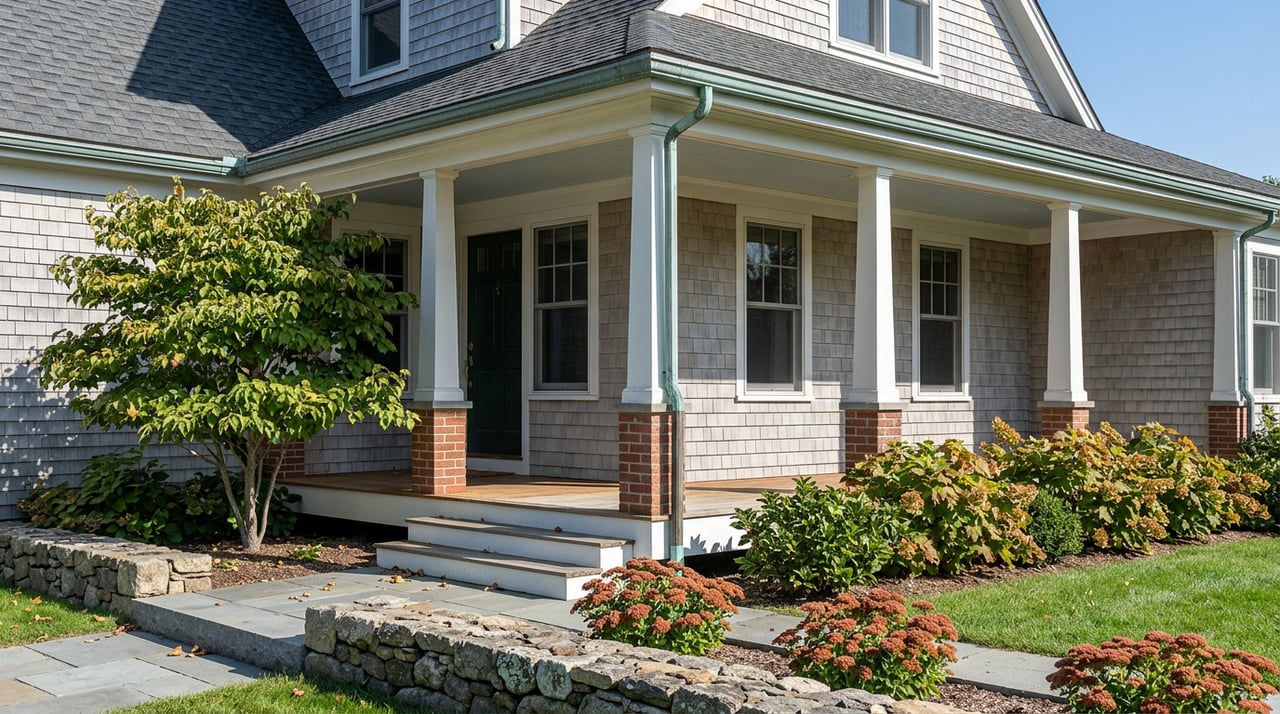
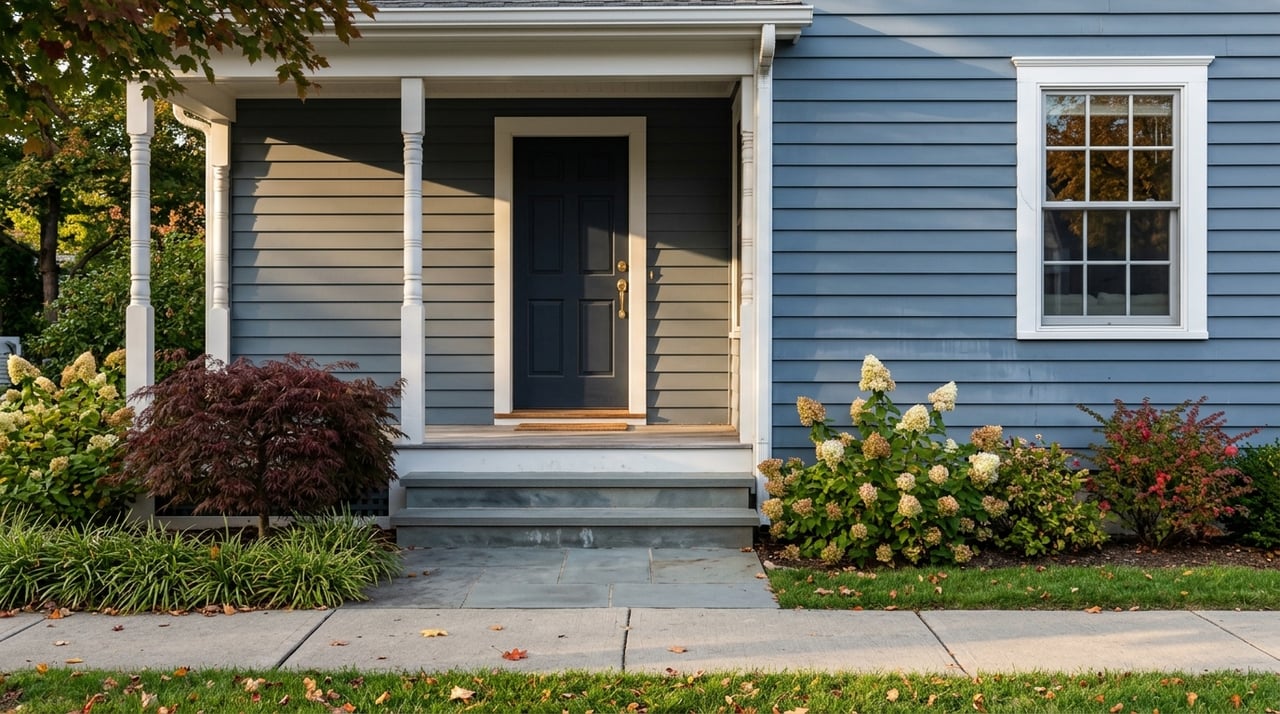
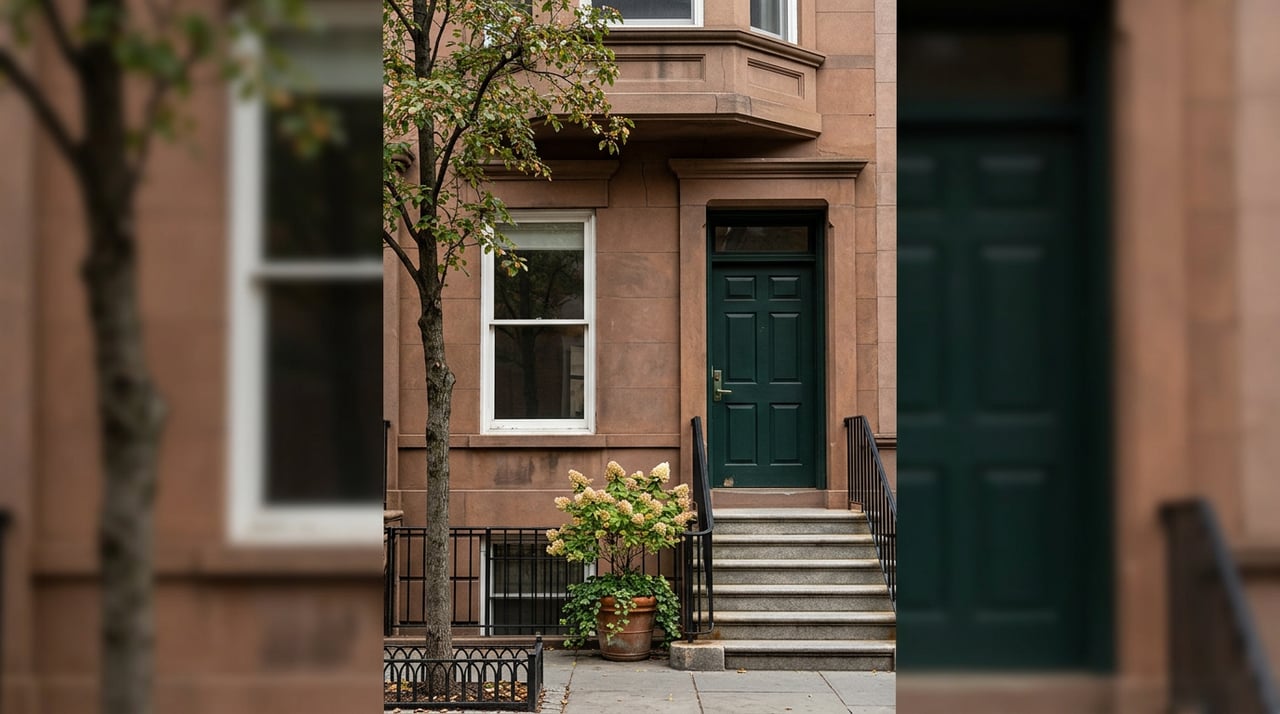
You’ll see late‑19th and early‑20th‑century homes, including Victorian, Colonial Revival, Tudor Revival, Craftsman, and bungalows. Modern infill and large renovations are common in certain villages. Lot sizes vary widely, from smaller parcels in central villages like Newton Centre and Newtonville to larger lots in Waban, Chestnut Hill, and parts of Auburndale. Some areas are hilly, which can affect driveways and yard usability.
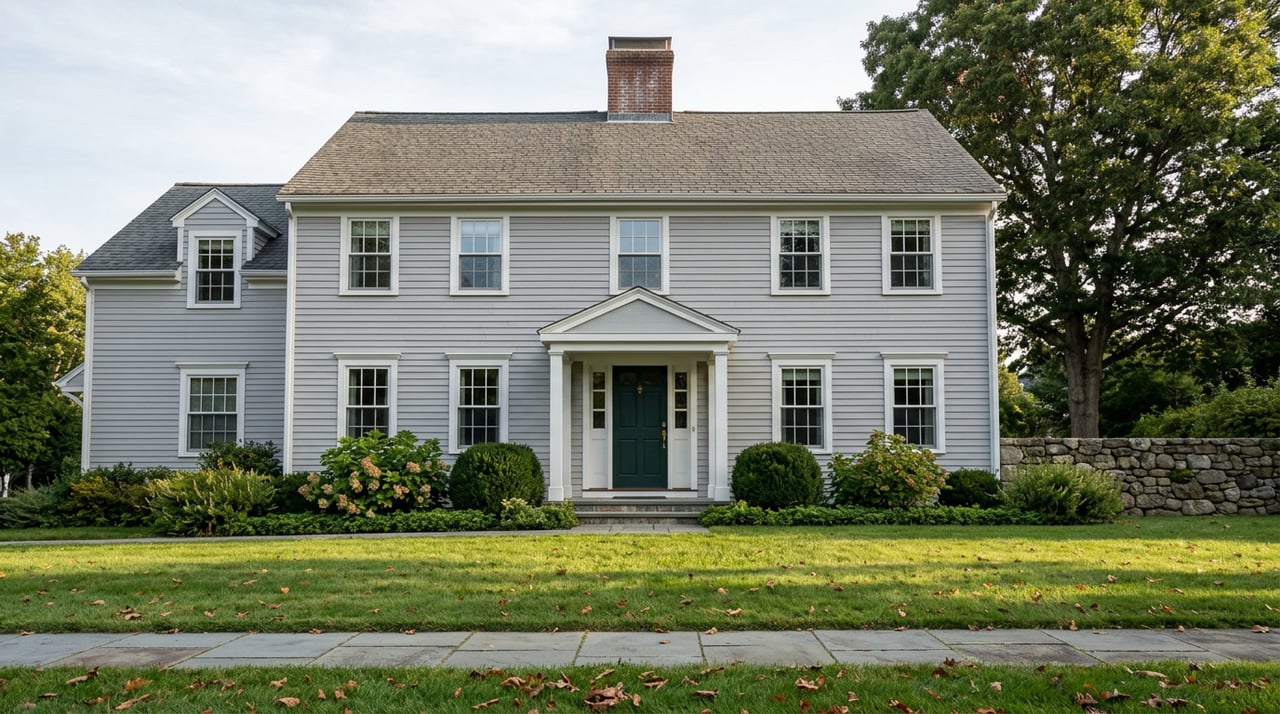
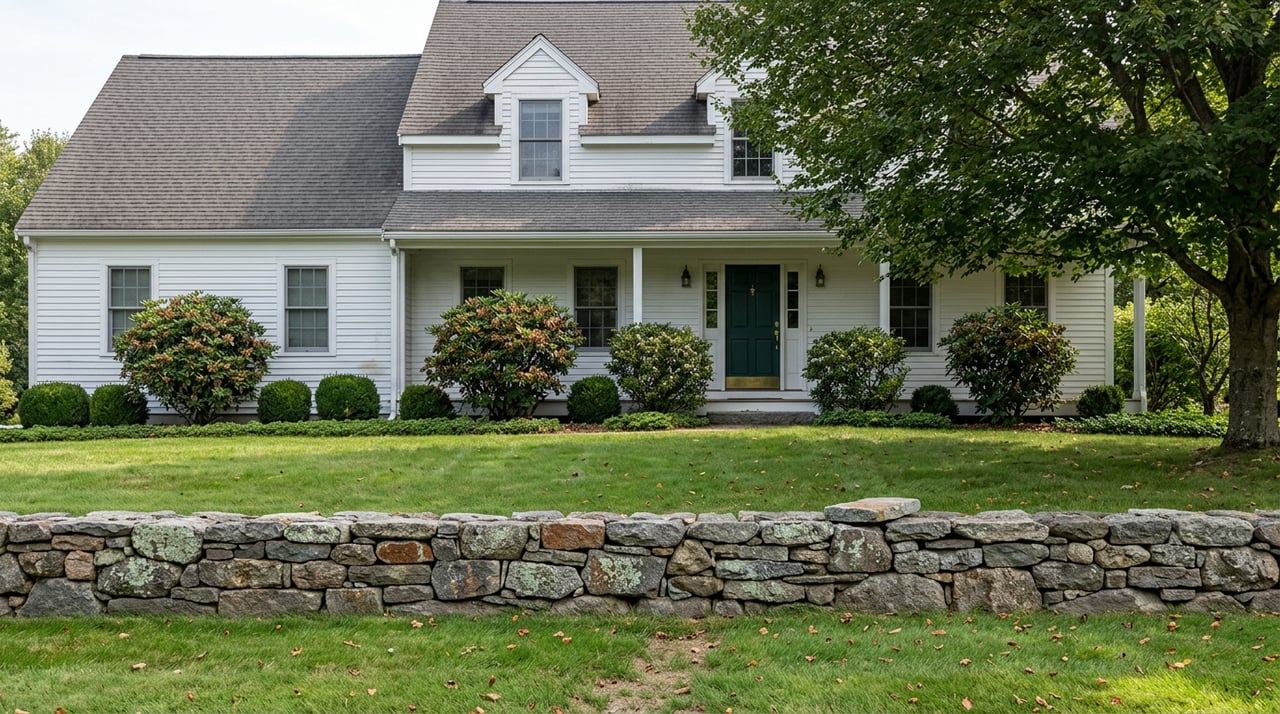
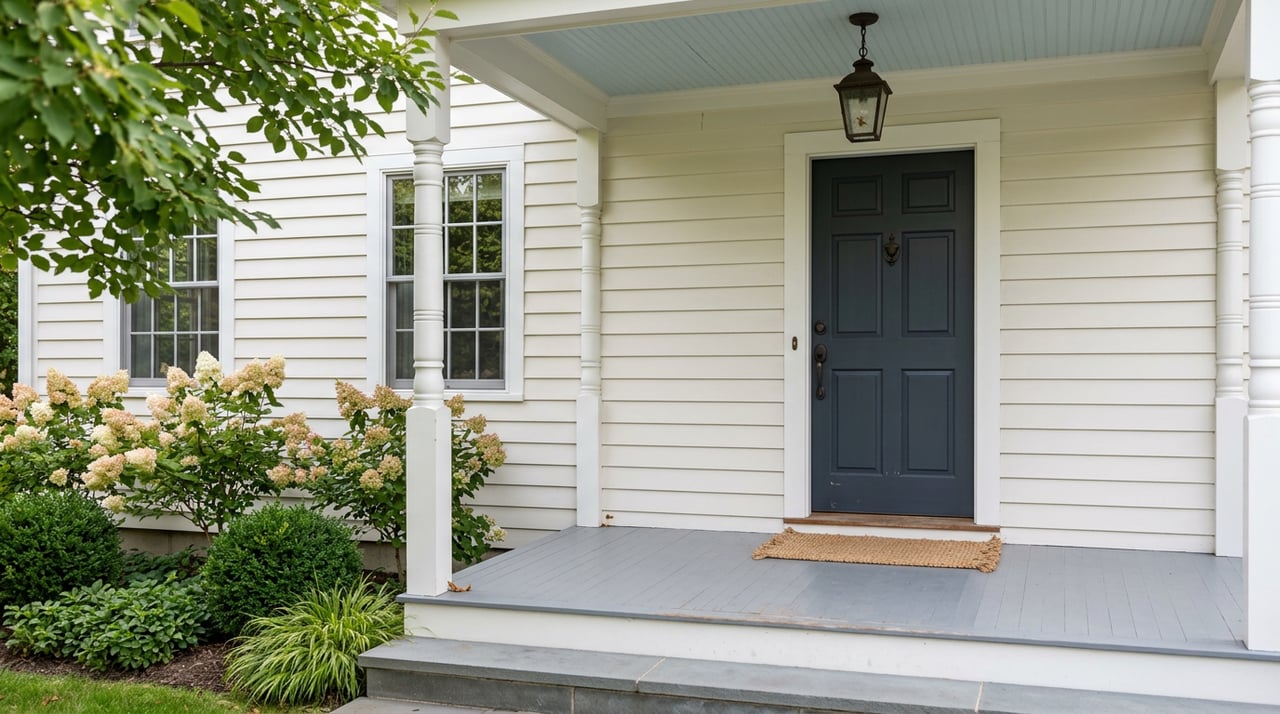
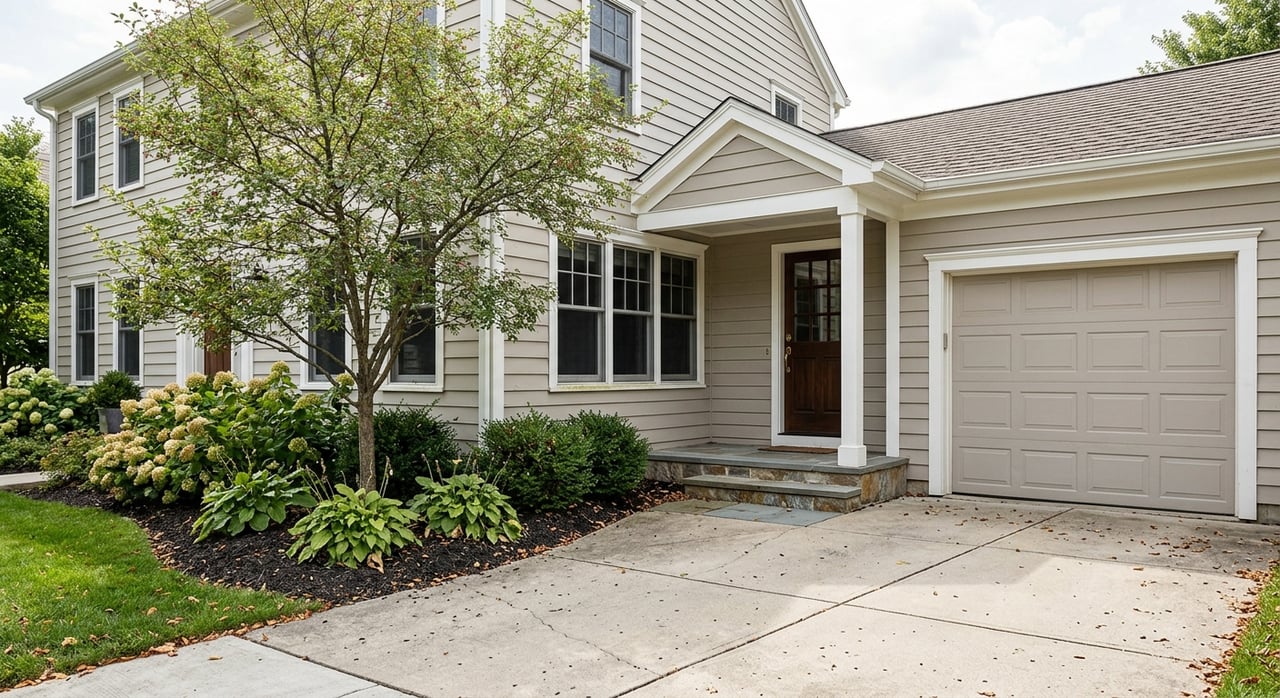
Needham has many mid‑20th‑century ranches, split‑levels, and colonials, plus a notable number of teardown‑and‑rebuild projects. Lots often feel deeper with more consistently suburban dimensions, which can make room for garages, pools, and patios. Terrain is typically rolling, with many parcels offering more usable, flat backyard space than you’ll find in Newton’s central villages.
Before planning a large addition or new construction, review local rules and recent permit trends. Newton has historic districts and preservation mechanisms in some areas, and both municipalities have setback and conservation requirements that can affect feasibility. Start with municipal resources at the City of Newton and Town of Needham, and build time into your plan for reviews.
Prioritize Newton villages with Green Line access such as Newton Centre, Waban, Newton Highlands, and Chestnut Hill. Test the Green Line during peak times and compare with a drive to Longwood, Allston, or Cambridge. Focus on walking distance to stations and bike storage.
Focus on Needham for consistently deeper lots and suburban yard feel. Also visit Newton’s outer villages like Waban and Chestnut Hill if you want larger lots closer to multiple villages. Bring a tape measure and note slope, sun exposure, and accessory structure rules.
Tour Newton Centre, Newton Highlands, and Newtonville. Look for evening foot traffic, wait times at restaurants, and local coffee shops and groceries within a short walk.
Target Needham neighborhoods with visible teardown activity. In Newton, consider outer‑village parcels with larger minimum lot sizes. Note recent permits, the consistency of new builds on the block, and zoning minimums.
In Newton, consider homes near Newton Centre or Newton Highlands with usable yards. In Needham, look at addresses near Needham Center for a walkable feel plus more outdoor space. Prioritize proximity to parks and safe pedestrian routes.
Both towns deliver excellent suburban living with different daily rhythms. Newton favors a cluster of compact, lively villages and diverse historic housing, with shorter transit links into Boston and Cambridge. Needham leans suburban with deeper lots, active new‑build activity, and straightforward highway access. Your best fit comes down to how you live day to day, your commute, and how much yard you want.
If you’re weighing tradeoffs and want a guided, no‑pressure tour strategy, connect with Diane Basemera. Diane brings concierge‑level local expertise, data‑driven pricing, and tech‑forward tools to help you compare addresses side by side. Ready to narrow your search or explore timing to list? Get your instant home valuation and schedule a consult.
Stay up to date on the latest real estate trends.

What does this mean for you? I will sit and listen to your needs and yet be mindful of your wants and dreams. Contact me Today!