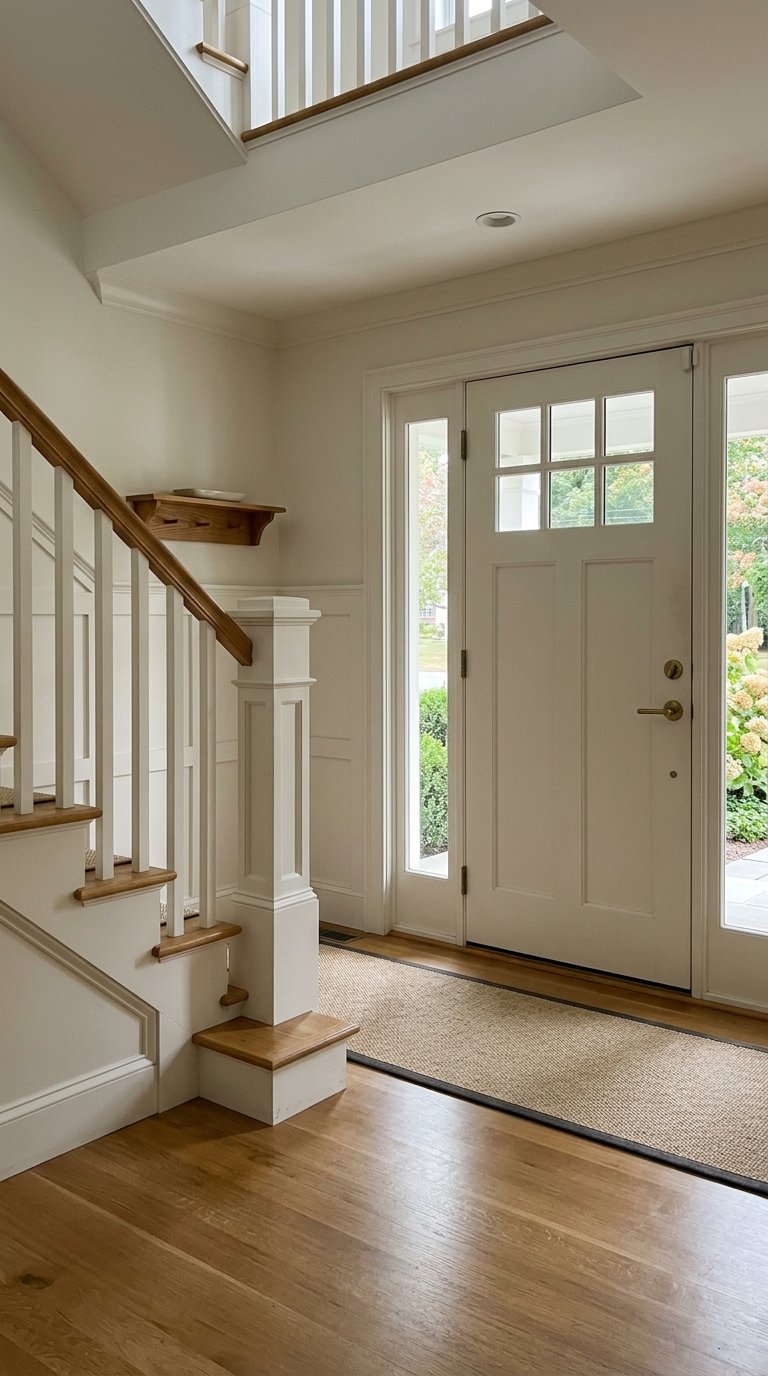
How To Win A Multiple-Offer Purchase In Cambridge
If you are trying to buy in Cambridge, you already know the hard part: a home can feel promising on Friday and be gone by Monday. In a market where multiple offers are still common, it is easy to think the only way to win is to bid far over asking and hope for the best. The good news is that a smart offer is not always the highest offer, and the right strategy can help you compete with more confidence. Let’s dive in.
Cambridge remains a competitive market, but it is not moving in one uniform way. Redfin’s May 2026 data show homes receive 3 offers on average, sell in 21 days, and close at a 102.5% sale-to-list ratio. The same report also shows that 48.3% of homes sold above list price, while 19.7% had price drops.
That mix matters. It tells you Cambridge is active, but not every listing sparks the same level of urgency. If you treat every property like a bidding war, you risk overpaying on one home and missing another where a cleaner, more measured offer could have won.
A citywide headline does not tell the full story in Cambridge. According to the April 2026 MLS PIN Cambridge area review, single-family homes averaged $3,198,812.50 on solds, reached 100.97% of list price, and took 43 days to offer. Condos averaged $1,233,470.09, reached 97.21% of original list price, and took 58 days to offer.
That means your offer strategy should match the specific property type and recent comparable sales. A condo, townhouse, and single-family home may all sit in Cambridge, but they can perform very differently. The strongest buyers adjust to the listing in front of them, not just the city average.
Before you tour seriously, get fully preapproved. Preapproval helps estimate the loan you may qualify for and can surface credit issues early. It also requires documentation of your income and assets, which makes your offer look more credible when it is time to submit.
This step matters even more in a competitive market. Sellers want confidence that your financing is solid and that you can move forward without avoidable delays. If you are buying a condo or townhouse, make sure your affordability plan also includes property taxes and HOA dues.
In a multiple-offer situation, trust matters almost as much as price. A clean offer package with a strong preapproval letter, proof of funds, and complete paperwork helps show that you are serious and prepared. That can make a real difference when a seller is choosing between similar numbers.
Earnest money also plays a role. Fannie Mae notes that earnest money deposits are typically 1% to 3% of the offer price and are meant to show good faith. In Cambridge, a thoughtful deposit amount paired with organized documents can help reduce seller concerns about your ability to close.
When inventory is tight, it is easy to let emotion lead your pricing. That is where buyers can get into trouble. The better approach is to anchor your offer to recent sold homes, current pending activity, and the specific features of the property you want.
This is especially important in Cambridge because pricing pressure varies by segment. A well-priced, well-presented single-family home may attract intense competition, while a condo may have a longer runway. Winning often comes from being realistic and decisive, not reckless.
Even if you are willing to bid high, your lender may not support any number you choose. Lenders generally require an appraisal, and if the home appraises below the contract price, you may need to renegotiate or bring in more cash. That makes appraisal risk one of the biggest checks on how aggressive your offer should be.
This is why comparable sales matter so much. If your offer stretches far beyond what recent sales support, you are not just trying to beat other buyers. You are also taking on financing risk that can create stress later in the transaction.
Massachusetts changed the inspection conversation in an important way. For sales after October 15, 2025, sellers or agents must provide a separate written disclosure affirming your right to a home inspection before or at the first purchase contract. Sellers also cannot condition acceptance on you waiving inspection rights.
That means buyers in Cambridge should stop thinking of inspection waivers as the main tool for winning. Instead, focus on the parts of your offer you can strengthen legally and responsibly, such as pricing, financing, deposit strength, and timing.
Contingencies protect you, but some are more competitive than others. A home-sale or home-close contingency can reduce certainty for the seller because the property may continue to be shown while your conditions are unresolved. In a multiple-offer setting, that uncertainty can make your offer less appealing.
That does not mean contingencies are always wrong. It means they should be used with intention. If you need protection, understand how that condition may affect your competitiveness and weigh it against the specific home, the pricing, and your comfort level.
Price is not always the deciding factor. Sellers often care about timing too, and flexibility on closing date can be a real advantage. If a seller needs a faster close or wants a bit more time, aligning with that preference can make your offer stronger without forcing you to raise the price as much.
This is one of the simplest ways to remove friction. A seller comparing several offers may choose the one that feels easiest to complete, especially when the price differences are not dramatic.
An escalation clause can help in the right situation, but it should not be automatic. It is a tactical tool, not a default move. If it is drafted poorly or used without clear limits, it can push you above the number you actually intended to pay.
You also need to think about what happens after the number rises. A higher escalated price still has to make sense for your budget, your inspection comfort, and the likely appraisal outcome. In many cases, a clean and well-supported offer is stronger than a more aggressive structure with hidden risk.
The best Cambridge offers usually do one thing well: they make the seller feel confident. That confidence comes from strong financing, complete paperwork, realistic pricing, and a buyer who understands the timeline. It is less about throwing out the biggest number and more about making the path to closing look smooth.
That is why local strategy matters. A condo that has been sitting longer may not need the same approach as a newly listed single-family home with immediate interest. Reading the room correctly can save you money and improve your odds at the same time.
Before you submit an offer in Cambridge, make sure you can answer yes to most of these:
If you cannot check several of these boxes, the issue may not be the bid amount. It may be the overall structure of the offer.
A win in Cambridge is only a real win if the purchase still works for your finances and your long-term plans. Stretching too far, relying on weak assumptions, or creating avoidable risk can turn a successful offer into a stressful closing. The goal is not just to beat other buyers. The goal is to buy well.
With the right guidance, you can compete in Cambridge with a plan that is both strong and sensible. If you want help building an offer that fits the property, the market, and your comfort level, connect with Diane Basemera.
Stay up to date on the latest real estate trends.



What does this mean for you? I will sit and listen to your needs and yet be mindful of your wants and dreams. Contact me Today!