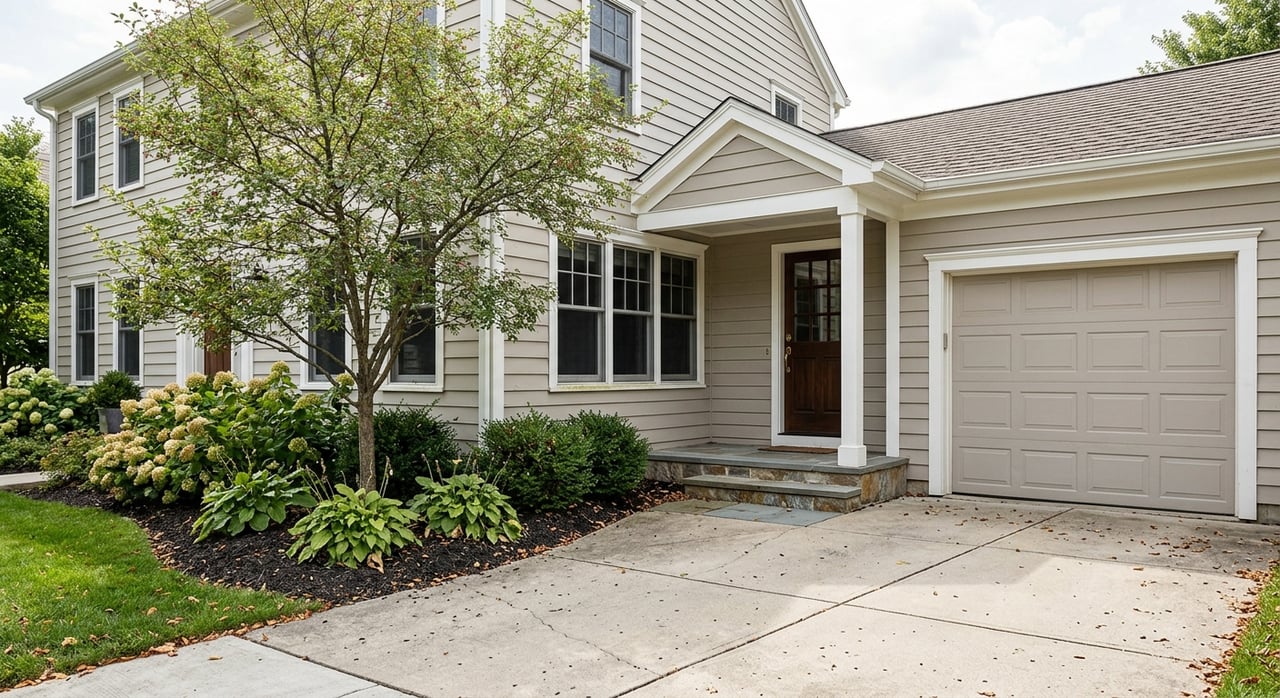
Waltham MA Commuter Home Buying Guide by Neighborhood
If your workweek depends on catching a train, hopping on a bus, or getting onto Route 128 without a long detour, where you buy in Waltham matters just as much as what you buy. That can make your home search feel more complex, especially if you are balancing commute time, housing type, and budget at the same time. The good news is that Waltham gives you more than one path to a workable commute, and understanding those patterns can help you search with confidence. Let’s dive in.
Waltham sits about 10 miles west of Boston in Middlesex County, and it offers a mix of residential areas, businesses, restaurants, and major employers. The city identifies education, health care services, and professional, scientific, and management jobs as key parts of its local economy. That mix helps explain why Waltham appeals to buyers with different work routines and destination points.
The commute data also supports Waltham’s appeal. Census QuickFacts lists a mean travel time to work of 24.7 minutes. The city’s 2026 to 2030 Consolidated Plan adds that 62% of workers commute under 30 minutes, 32% commute 30 to 59 minutes, and 6% commute 60 minutes or more.
For buyers, the main takeaway is simple: Waltham is not a one-pattern commute market. Some areas fit transit-first buyers better, while others make more sense for drivers who want easier access to Route 128 and the city’s office and lab corridors.
If you want public transit access, Waltham gives you several practical options. The city says the MBTA commuter rail has two stops in Waltham: Central Square Waltham at 75 Carter Street and the stop at 1 Sawyer Road near Brandeis. Those stations can be a major factor if you want to reduce drive time before or after your train ride.
MBTA bus service also covers the city with routes 61, 70, 170, 505, 553, 554, 556, and 558. That wider bus network can make certain home locations more usable than they may first appear on a map. If your schedule depends on flexible transit connections, this is worth paying attention to early in your search.
The city also notes that the downtown Main and Moody Street area is close to public transit and the Charles River Greenway. Some commuters even use the Charles River paths to reach offices in Cambridge and Boston. If biking or mixed-mode commuting matters to you, that can be part of the value equation.
Not every commuter is headed into Boston. For many buyers, the priority is getting to offices, labs, or business parks along Route 128 with as little friction as possible.
Waltham’s 128 Corridor is a major employment area. The city’s plan identifies the corridor around Tower Road, Bear Hill Road, 3rd Avenue, 2nd Avenue, and Wyman Street, and describes it as home to biotech labs, offices, hotels, restaurants, manufacturing centers, and mixed-use development. These businesses draw workers from across Greater Boston, which makes nearby housing a practical option for many buyers.
If your job is in that corridor or nearby, your ideal home search may look very different from someone focused on Boston-bound rail access. In that case, being closer to highway-oriented parts of Waltham may matter more than being near the downtown transit cluster.
If you want the most transit-oriented part of Waltham, start with Central Square, Moody Street, and the southern neighborhoods. Based on the city’s description, these areas align best with buyers who want easier access to commuter rail, bus service, walkable commercial areas, and bike-friendly connections.
The city says the Southern Neighborhood District has many multi-unit apartment buildings and a mix of older and newer apartments and condominiums. It also has more rental units than North Waltham and a more urban feel with strong walkability and bikeability. Many stores and shops are located along or next to Moody and Main Streets, which can make daily errands simpler without adding more driving.
For some buyers, this part of Waltham works because it supports a transit-first lifestyle. You may find that your tradeoff is a housing mix that leans more toward condos, apartments, and multi-family properties rather than detached single-family lots.
If your commute revolves around Route 128, focus more closely on the corridor side of the city and nearby north or east-side areas that align with highway access. The city’s planning documents point to the 128 Corridor as a major employment node, making that area especially relevant for buyers who drive to work.
This approach can be a good fit if your goal is to shorten the daily drive to office, lab, or business destinations in and around Waltham’s employment centers. It can also help if you value direct access over proximity to downtown transit.
In practical terms, your search strategy should match your actual routine. A transit-first buyer and a highway-first buyer may both choose Waltham, but they often end up looking at different parts of the city for very different reasons.
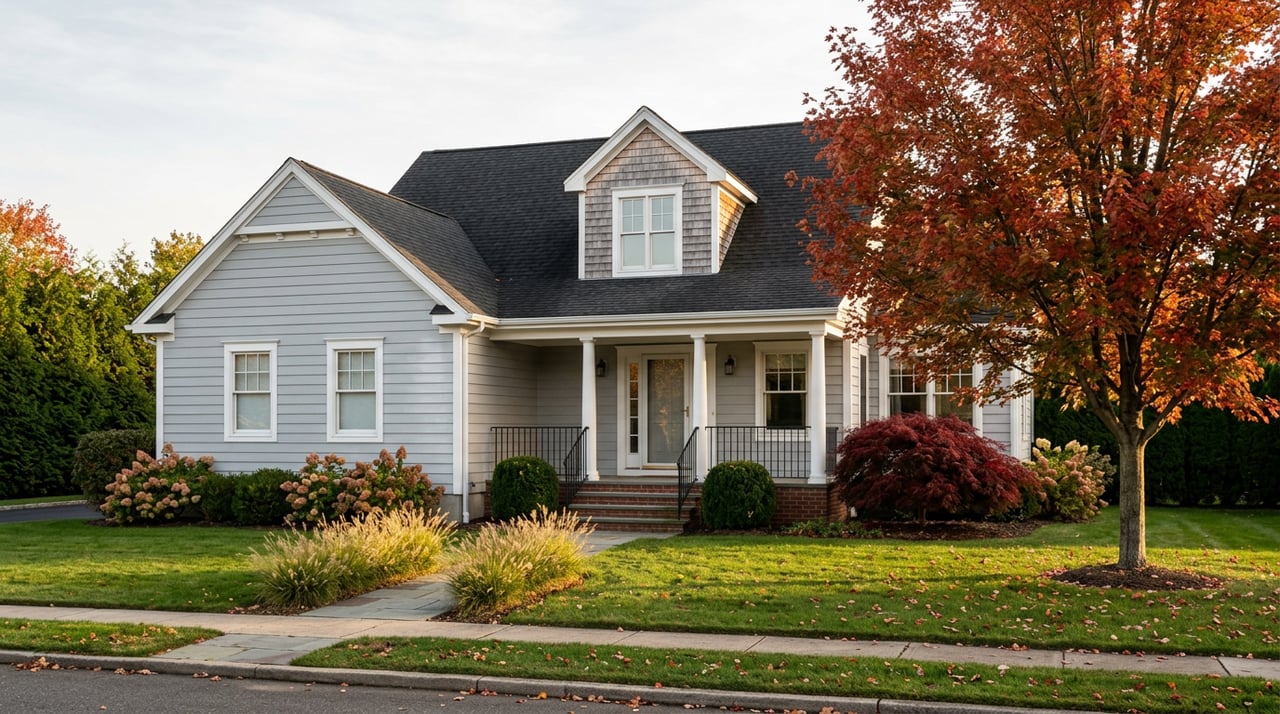
If you are hoping for a more detached-home feel, North Waltham deserves a closer look. The city’s plan says North Waltham has more single-family lots, while the downtown area and Southern Neighborhood District have more urban housing patterns and a larger share of two- and three-family homes.
That does not mean one area is better than another. It simply means your housing type preference and your commute preference may point you toward the same section of Waltham. If you want more space and a home style that is more commonly found on single-family lots, North Waltham may line up better with your goals.
One of the most useful things about buying in Waltham is understanding how commute style and housing inventory often overlap. The areas that work well for transit access also tend to be the areas where you are more likely to see apartments, condos, and multi-family homes.
By contrast, if you are leaning toward North Waltham, you are more likely to find single-family lots. That can make your home search more efficient, because you can narrow your target areas based on both how you travel and how you want to live.
Here is a simple way to think about it:
Waltham’s housing profile is fairly balanced rather than dominated by one ownership pattern. Census QuickFacts shows an owner-occupied housing unit rate of 49.7%, a median value of owner-occupied housing units of $748,700, a median gross rent of $2,268, and a median selected monthly owner cost with a mortgage of $3,076.
The city’s 2026 to 2030 plan cites a 48% owner-occupied and 52% renter-occupied split using 2022 ACS data. While the exact percentage varies by source and estimate period, the broader picture is consistent: Waltham has a close-to-even mix of owners and renters.
For buyers, that balance matters because it supports the city’s varied housing stock. You are not shopping in a place with just one kind of neighborhood or one kind of commute. Instead, you can shape your search around the combination that fits your life best.
Before you tour homes in Waltham, it helps to get very clear on your weekday routine. A beautiful home can lose some appeal if the location makes your commute harder than it needs to be.
Ask yourself:
These questions can save you time and help you focus on the parts of Waltham that best fit your day-to-day life.
A smart Waltham home search starts with commute mapping, not just bedroom count. If you first identify whether you are Boston-bound, Route 128-bound, or looking for a quieter residential setting with a manageable drive, the rest of the search usually gets easier.
From there, you can narrow by housing type and neighborhood feel. That is often the difference between a scattered search and a focused one. When your priorities are clear, you can compare homes based on what really affects your quality of life each week.
If you want help building a Waltham home search around your real commute, your preferred housing style, and your budget, Diane Basemera can guide you through the options with local insight and a clear strategy.
Stay up to date on the latest real estate trends.
What does this mean for you? I will sit and listen to your needs and yet be mindful of your wants and dreams. Contact me Today!